Why Stay in Indonesia?
Indonesia sprawls across the equator in a vast arc of volcanic peaks, coral seas, and rainforest canopy — a country so geographically diverse that it contains more distinct ecosystems than most continents. For luxury villa travellers, this translates into an almost overwhelming range of settings: clifftop compounds overlooking Indian Ocean surf breaks, rice-paddy retreats in misty volcanic highlands, beachfront estates on islands so quiet the loudest sound is the tide. No other country in Southeast Asia offers this depth and variety of private accommodation at this level of quality.
Bali remains the gravitational centre. The island’s villa culture is among the most mature in the world, refined over three decades into something genuinely distinctive — a fusion of Balinese architectural tradition, tropical modernism, and a service culture rooted in Hindu hospitality. From the surf-facing cliffs of the Bukit Peninsula to the artistic heartland of Ubud, from the cosmopolitan energy of Seminyak and Canggu to the volcanic silence of the north coast, Bali alone contains enough variety to sustain a lifetime of return visits.
Beyond Bali, the archipelago unfolds. Lombok, Bali’s quieter eastern neighbour, offers pristine beaches and the towering volcanic cone of Mount Rinjani with a fraction of the tourist infrastructure. The Gili Islands — three small coral-fringed islets off Lombok’s northwest coast — deliver a car-free, barefoot simplicity that is increasingly difficult to find elsewhere. Further east, Flores and Komodo offer genuine frontier luxury for travellers willing to venture beyond the well-worn path. Each destination carries its own character, its own light, its own relationship with the sea.
What unites the Indonesian villa experience is the quality of daily life it enables. Staff are typically included — a private chef preparing meals from market-fresh ingredients, a housekeeper ensuring every surface gleams, a villa manager who knows the best local guides, the quietest beaches, the temple ceremony happening tomorrow that visitors are welcome to attend. This is not hotel service replicated in a residential setting; it is something warmer, more personal, and ultimately more luxurious. The villa becomes not just accommodation but a way of inhabiting a place.
Planning Your Indonesia Stay
Best Time to Visit
Indonesia's dry season runs from April to October across most of the archipelago, delivering clear skies, calm seas, and optimal conditions for both beach holidays and highland exploration. Bali and Lombok follow this pattern closely, with July and August the driest and busiest months. The wet season (November to March) brings afternoon rains that are often brief and dramatic rather than day-long, along with significantly lower rates and quieter villas. Shoulder months — April, May, September, and October — offer the most appealing balance of weather, value, and availability.
Getting There
Bali's Ngurah Rai International Airport (DPS) is the primary gateway, served by direct flights from Australia, Singapore, Hong Kong, Tokyo, Seoul, and major cities across Asia. Lombok International Airport (LOP) receives direct flights from Singapore, Kuala Lumpur, and domestic Indonesian routes. From Bali, Lombok is reachable by a thirty-minute flight or a two-and-a-half-hour fast boat. Other Indonesian islands are best accessed via domestic connections through Bali or Jakarta.
Getting Around
Within Bali, private drivers remain the most comfortable way to travel — affordable, flexible, and available through any villa host. Ride-hailing apps operate across Bali and Lombok. For island-hopping, domestic flights connect Bali to Lombok, Flores, and dozens of other destinations, while fast boats serve the Gili Islands and Nusa Lembongan. Internal travel between regions varies significantly in infrastructure; your villa host is typically the best source for current transport advice.
Where to Eat
Indonesia's dining scene mirrors its geographic diversity. Bali leads with world-class restaurants — Locavore in Ubud (modern Indonesian tasting menus), Mozaic (French-Indonesian fine dining), and Sundara in Jimbaran (beachfront elegance) set a standard few tropical destinations can match. Beyond the fine dining, Indonesia's warung culture offers extraordinary food at modest prices: smoky satay, complex curries, grilled seafood on the beach. Lombok's Sasak cuisine is distinct and worth seeking out, with plecing kangkung (water spinach with chilli sambal) a revelation. Many villa chefs are themselves exceptional cooks, and in-villa dining — with menus tailored to your preferences — is one of Indonesia's great luxuries.
Indonesia Villas
20 handpicked luxury villas available
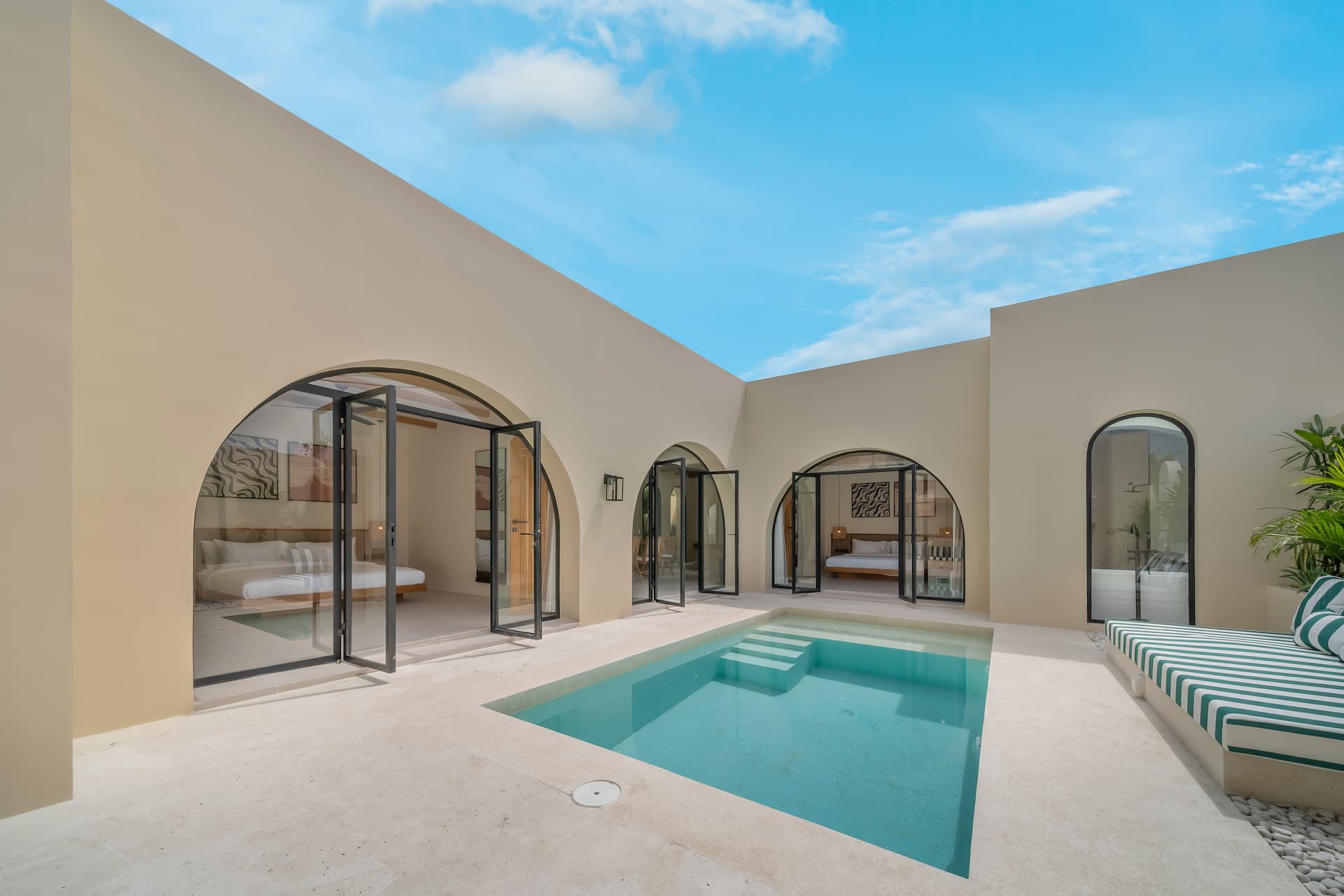
Villa Sorrento
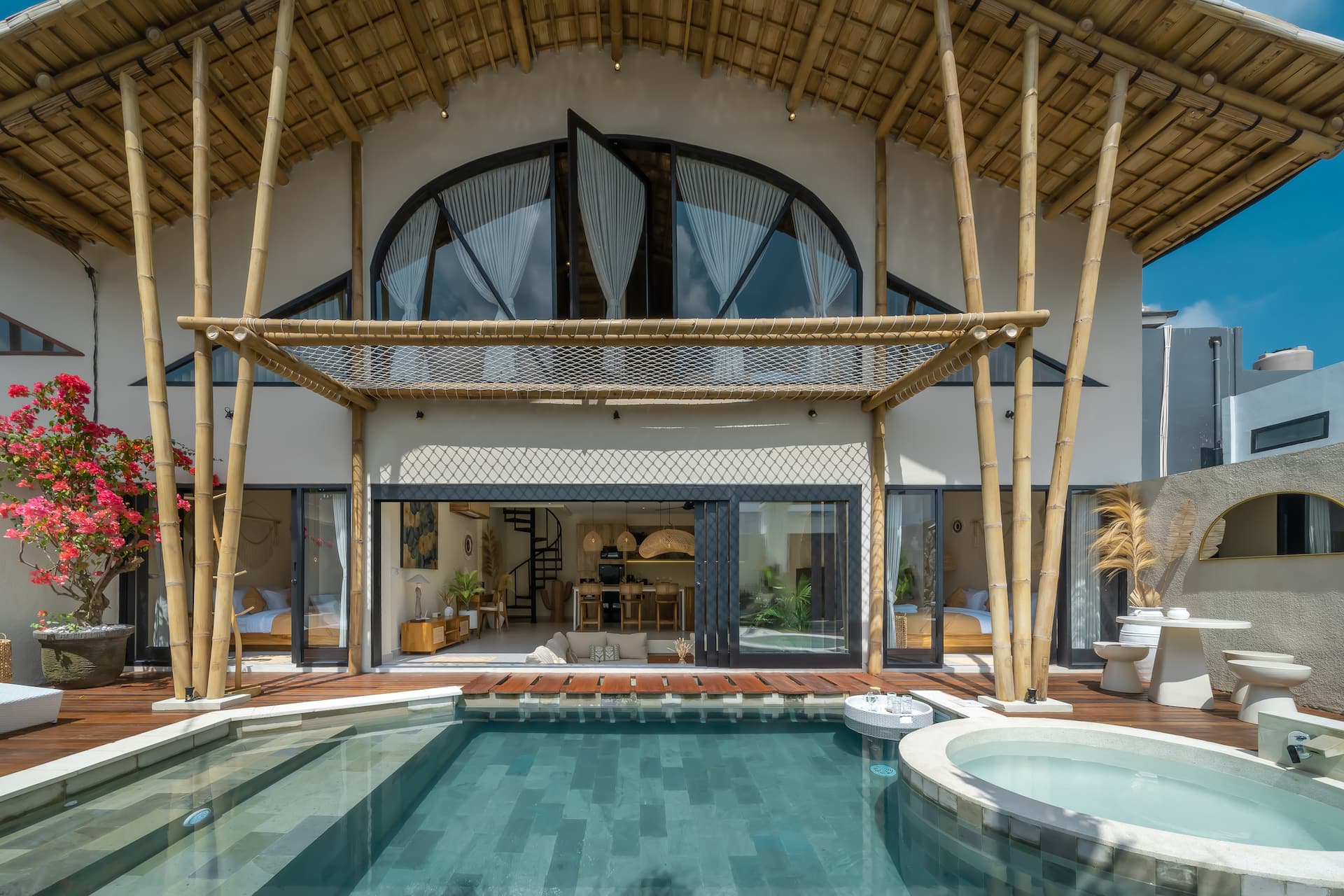
Villa Tigana
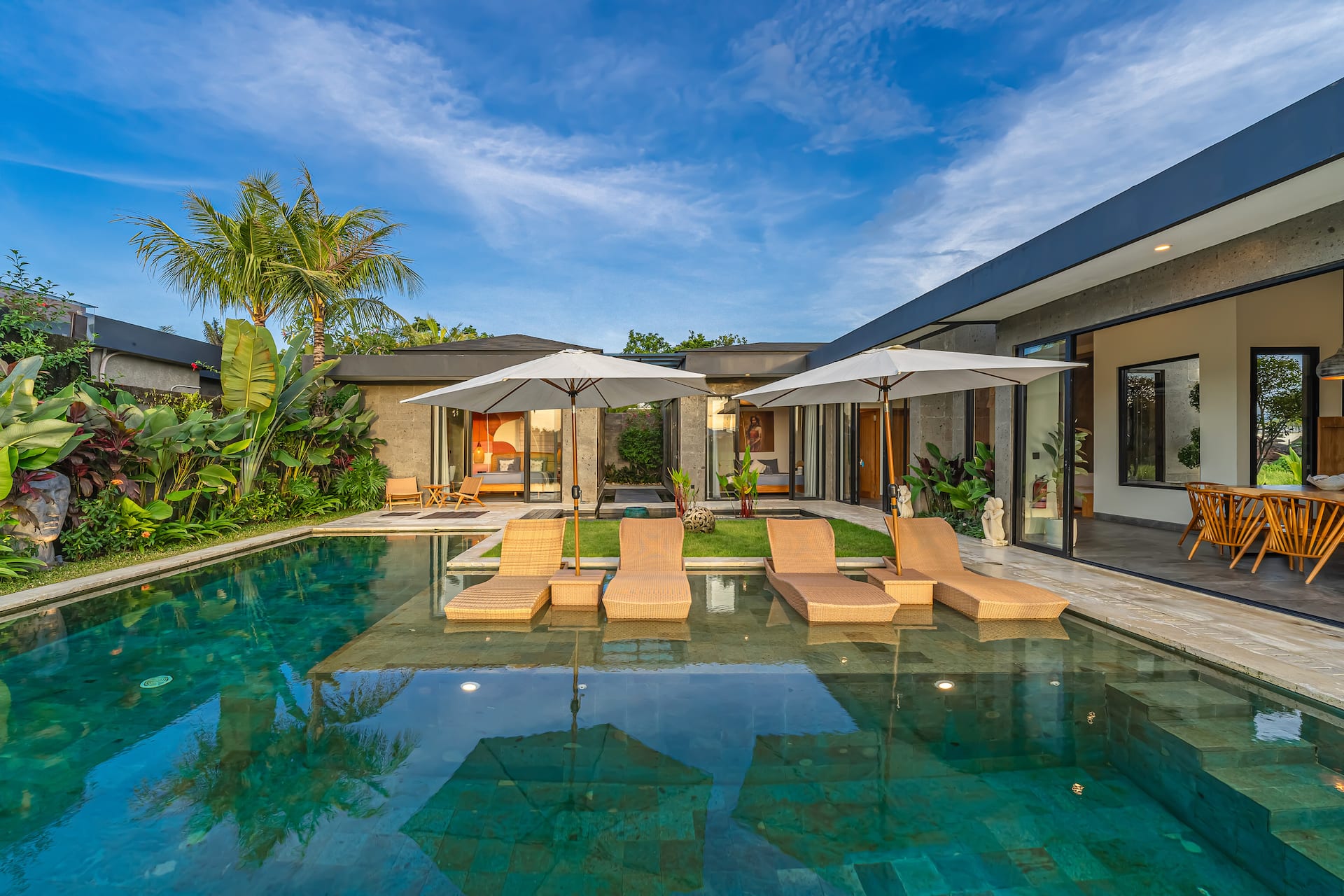
Villa Bliss
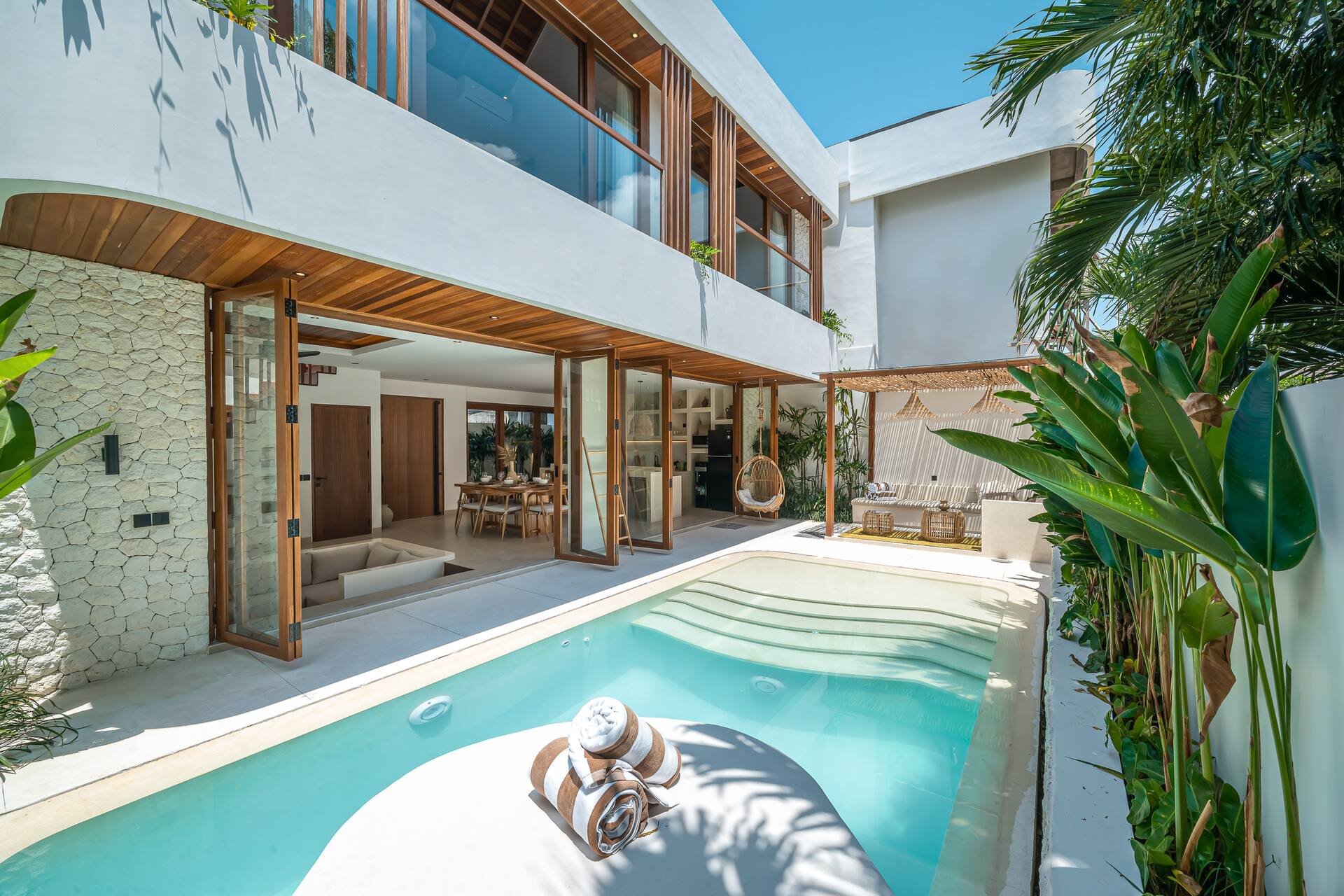
Villa Paraiso
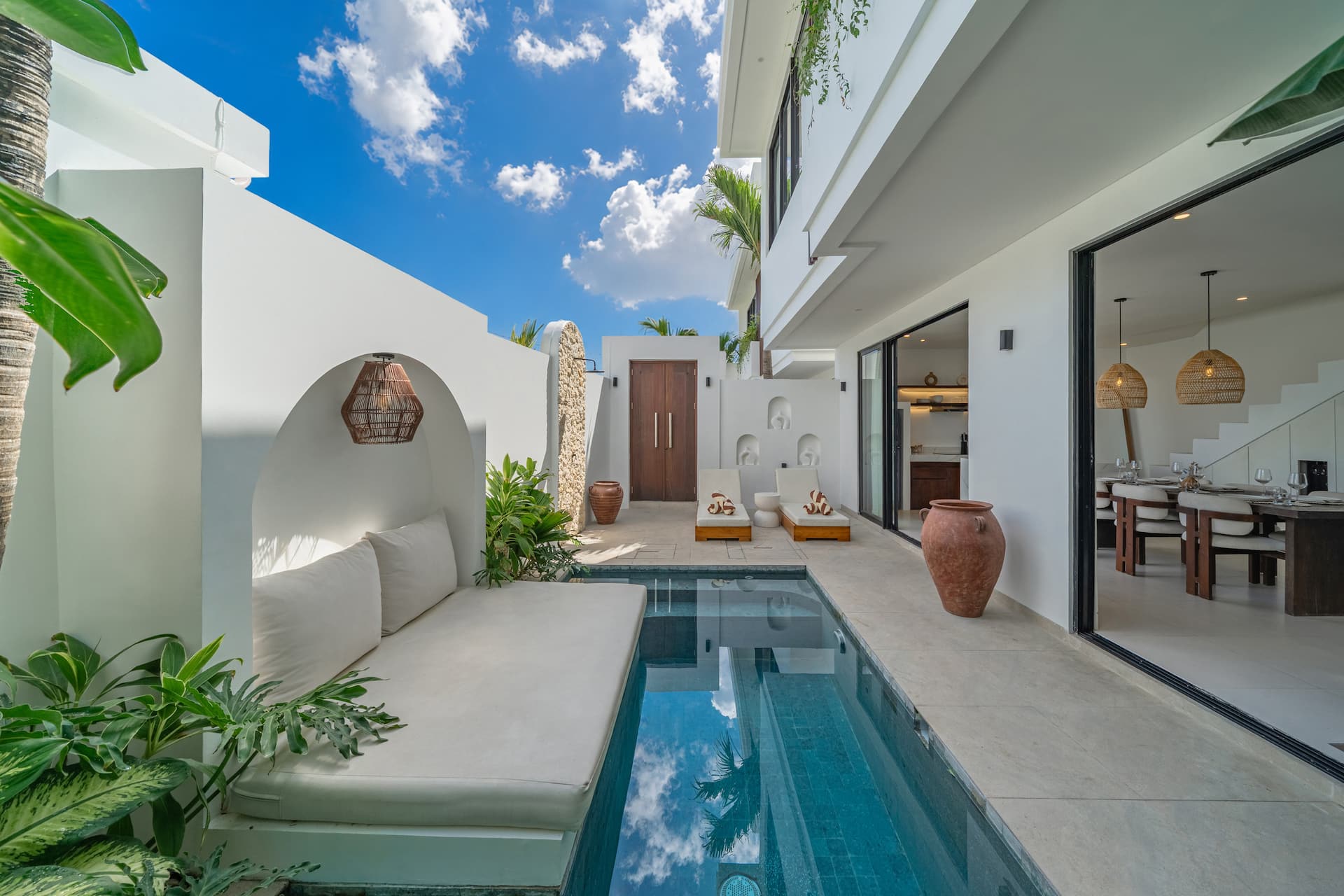
Nova Oasis Berawa 2
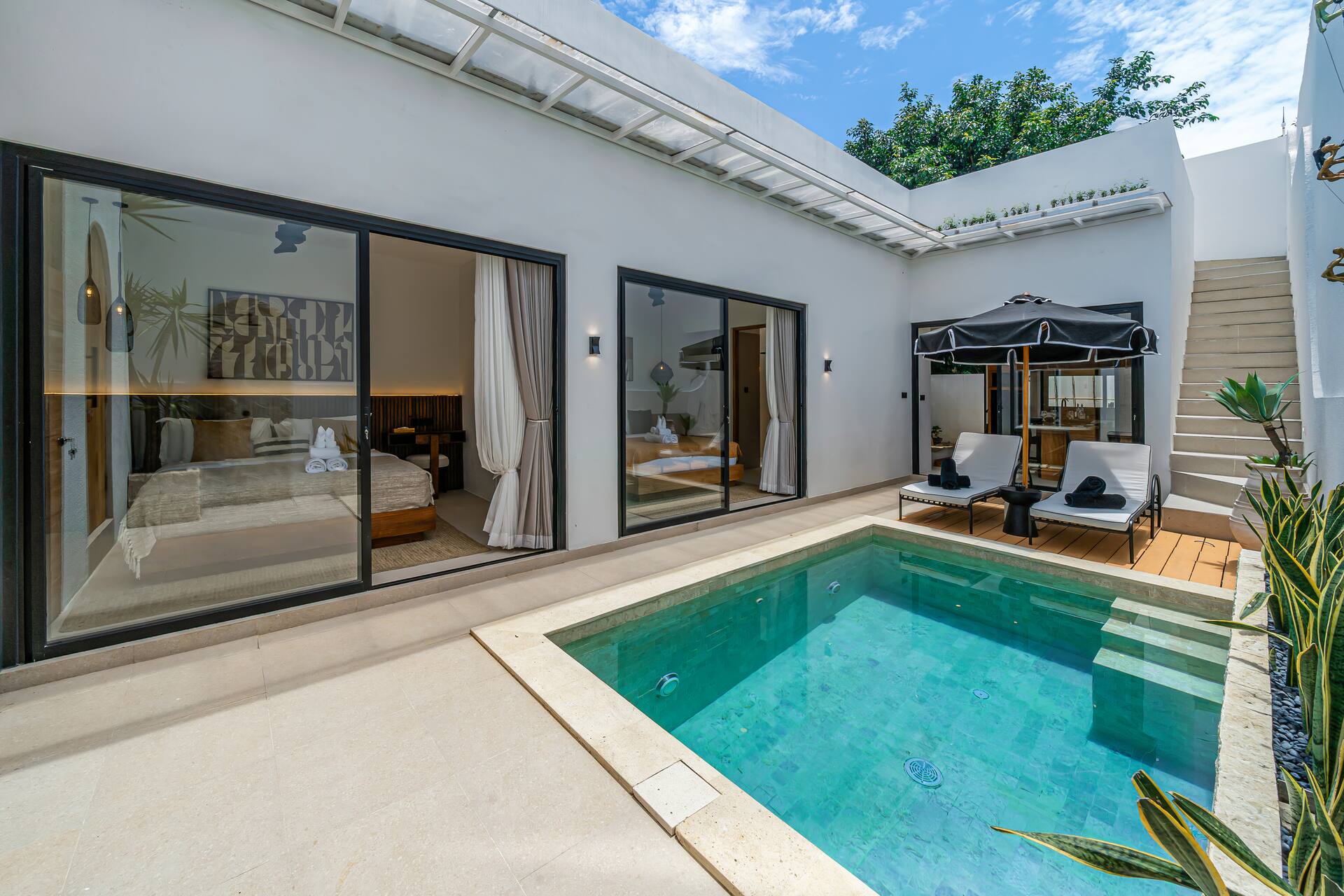
Villa Nara
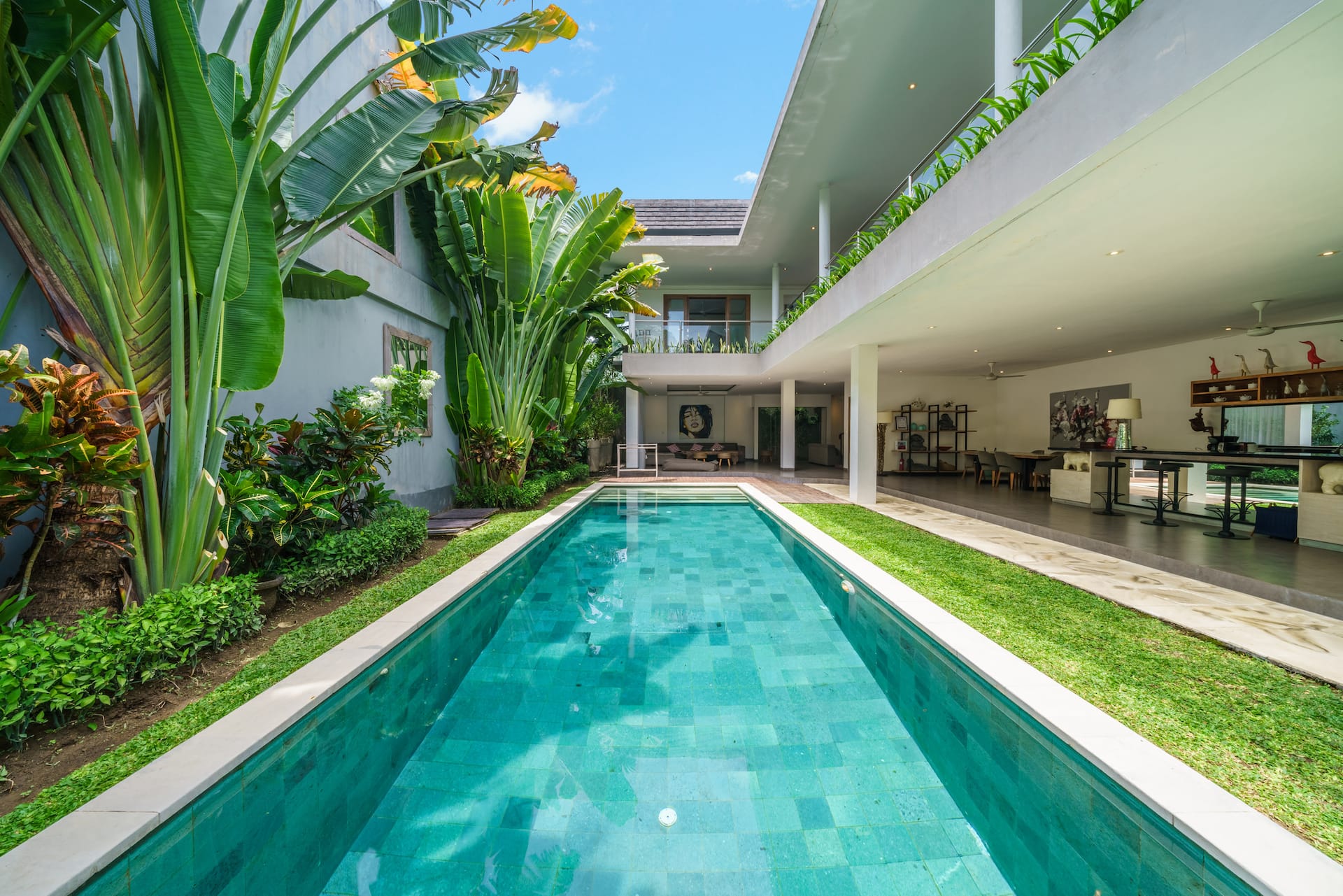
Villa Paloma
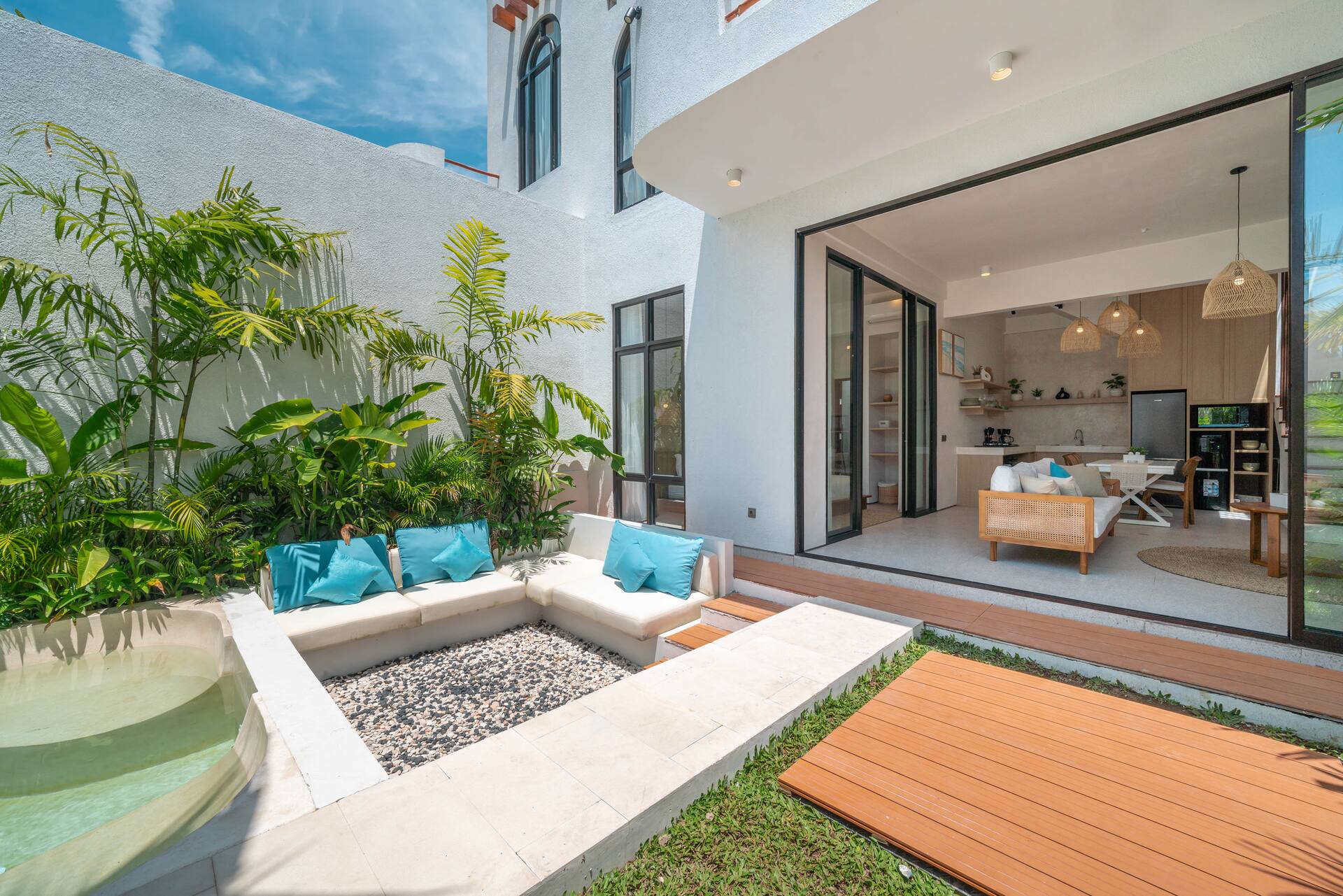
Casa Sirena Pererenan
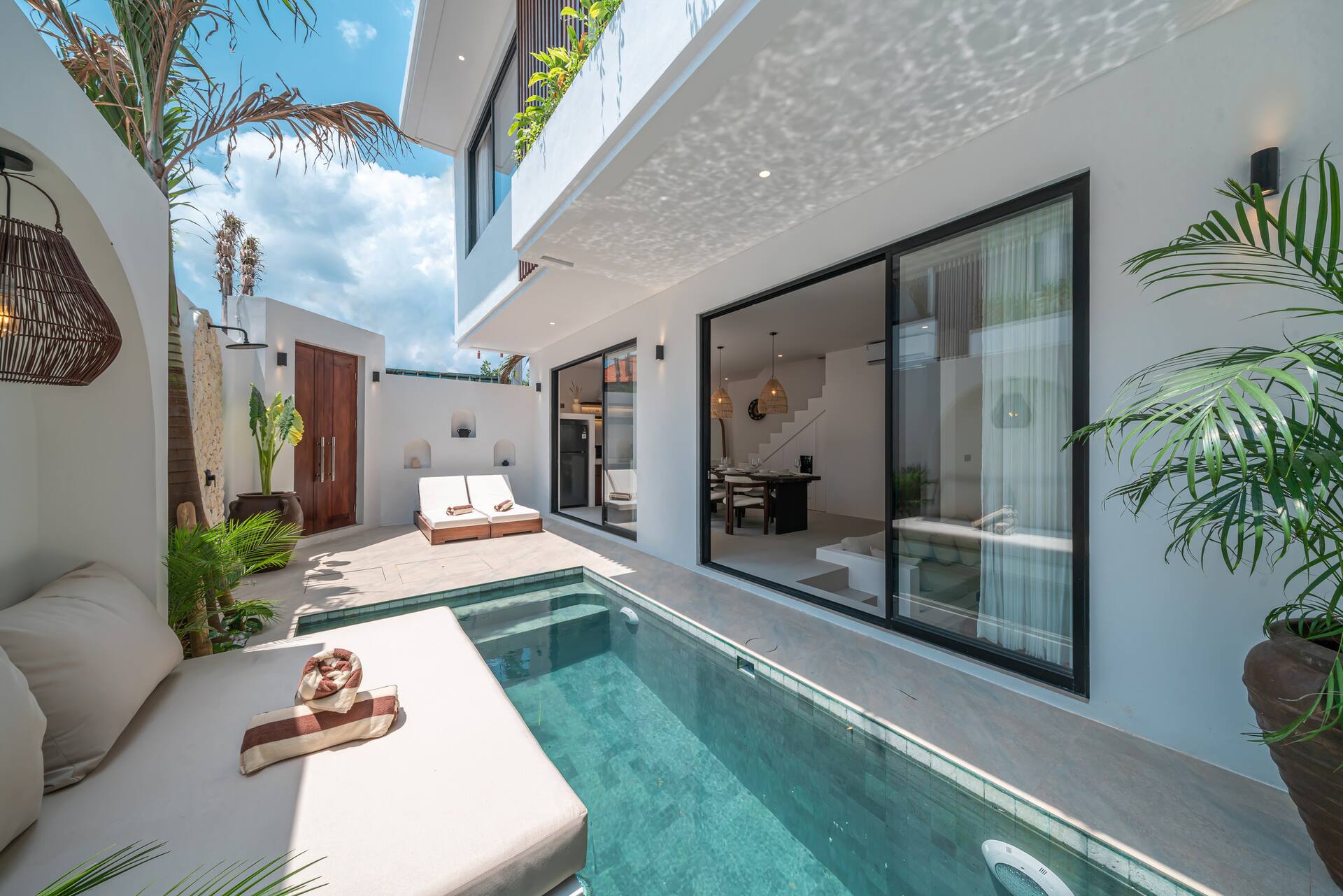
Nova Oasis 1
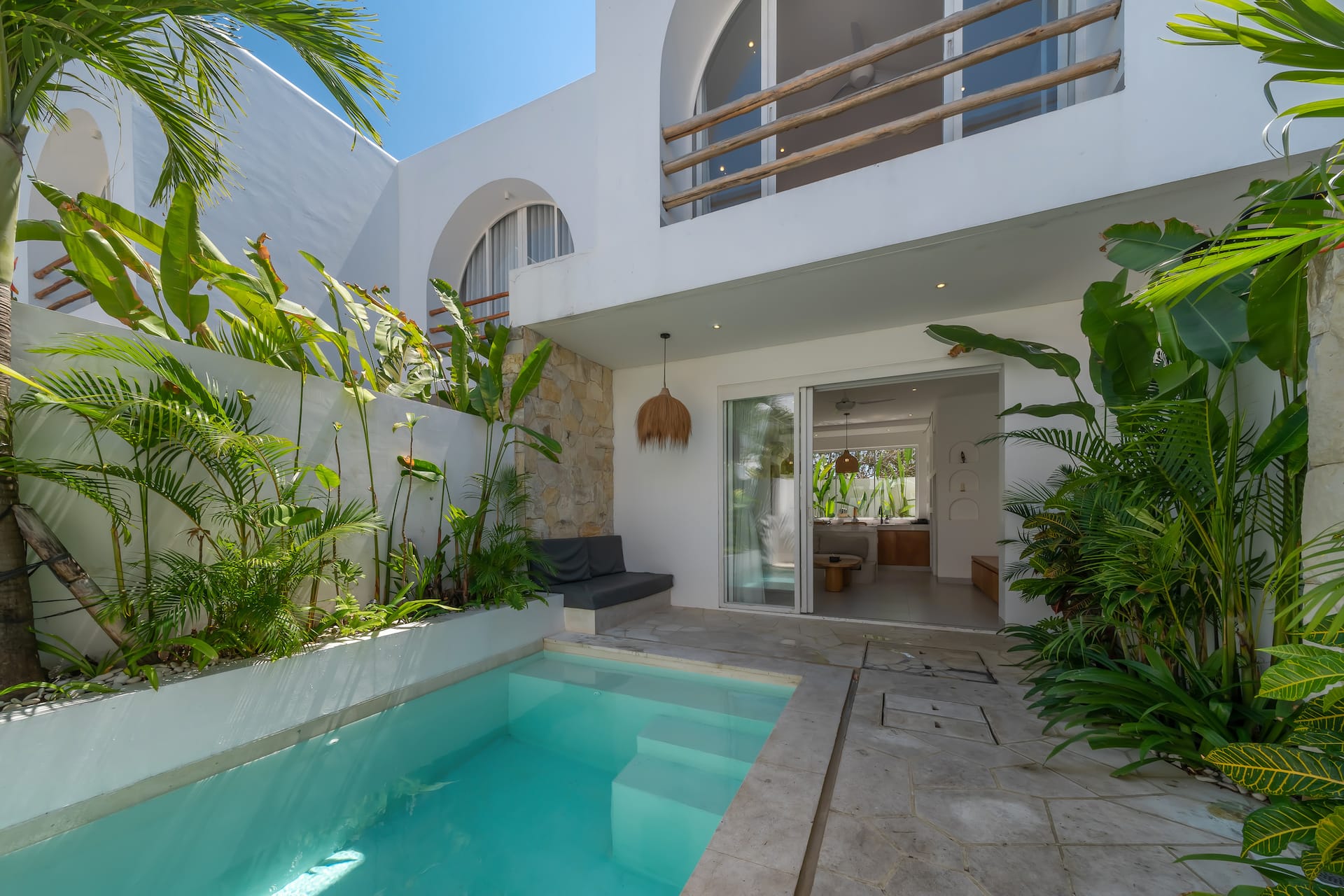
Las Casas 5
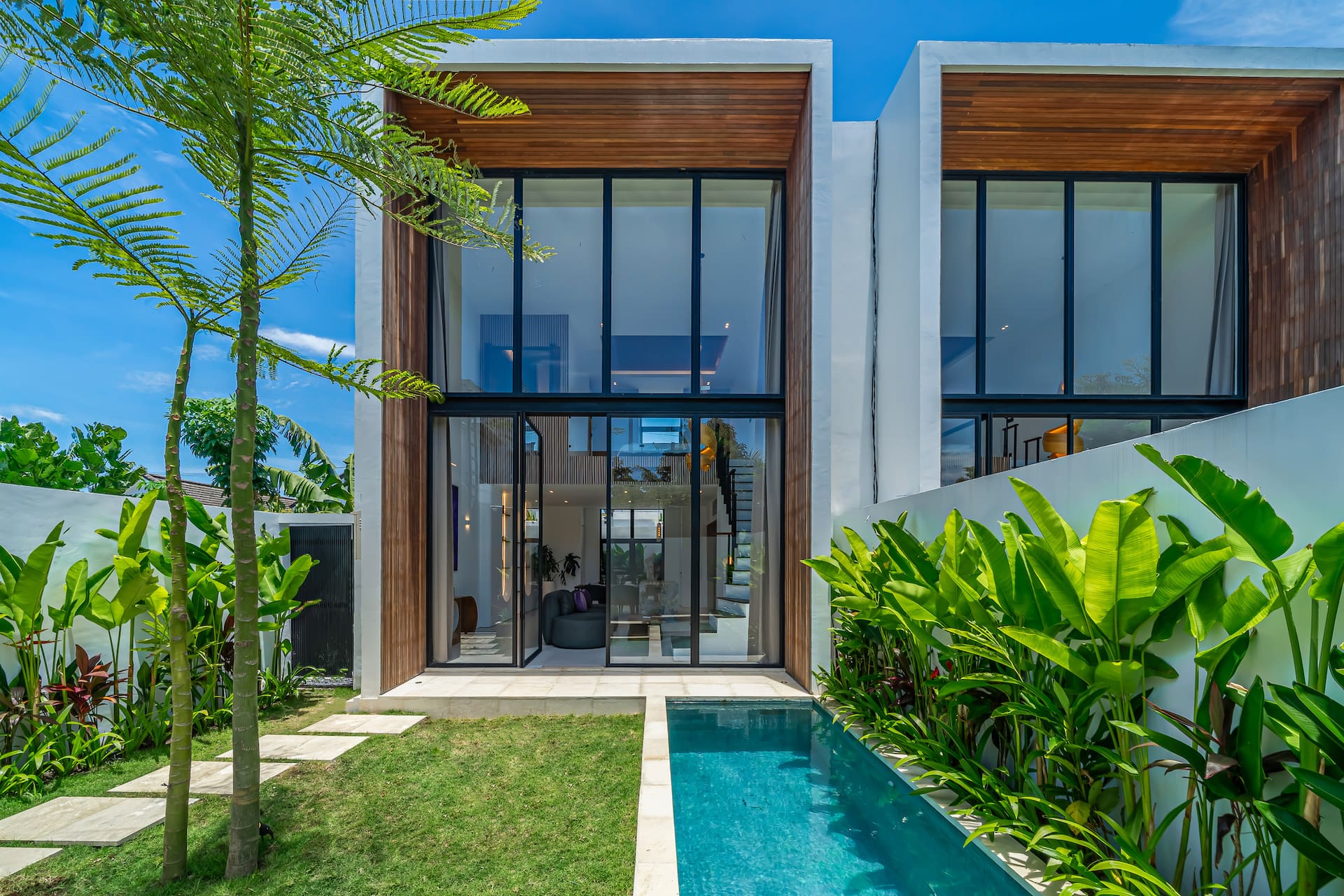
Aether Villa Berawa
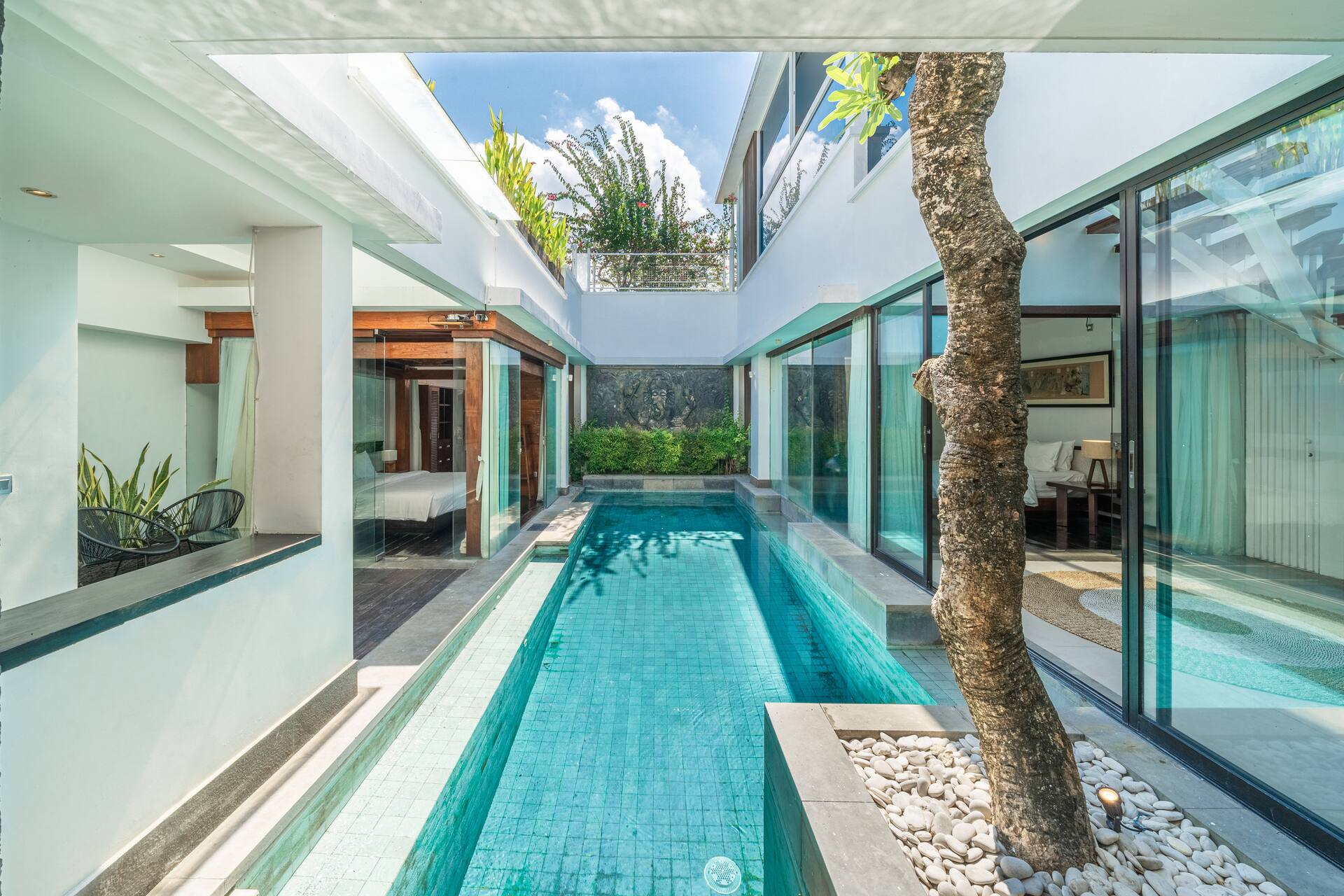
Villa Tykhe
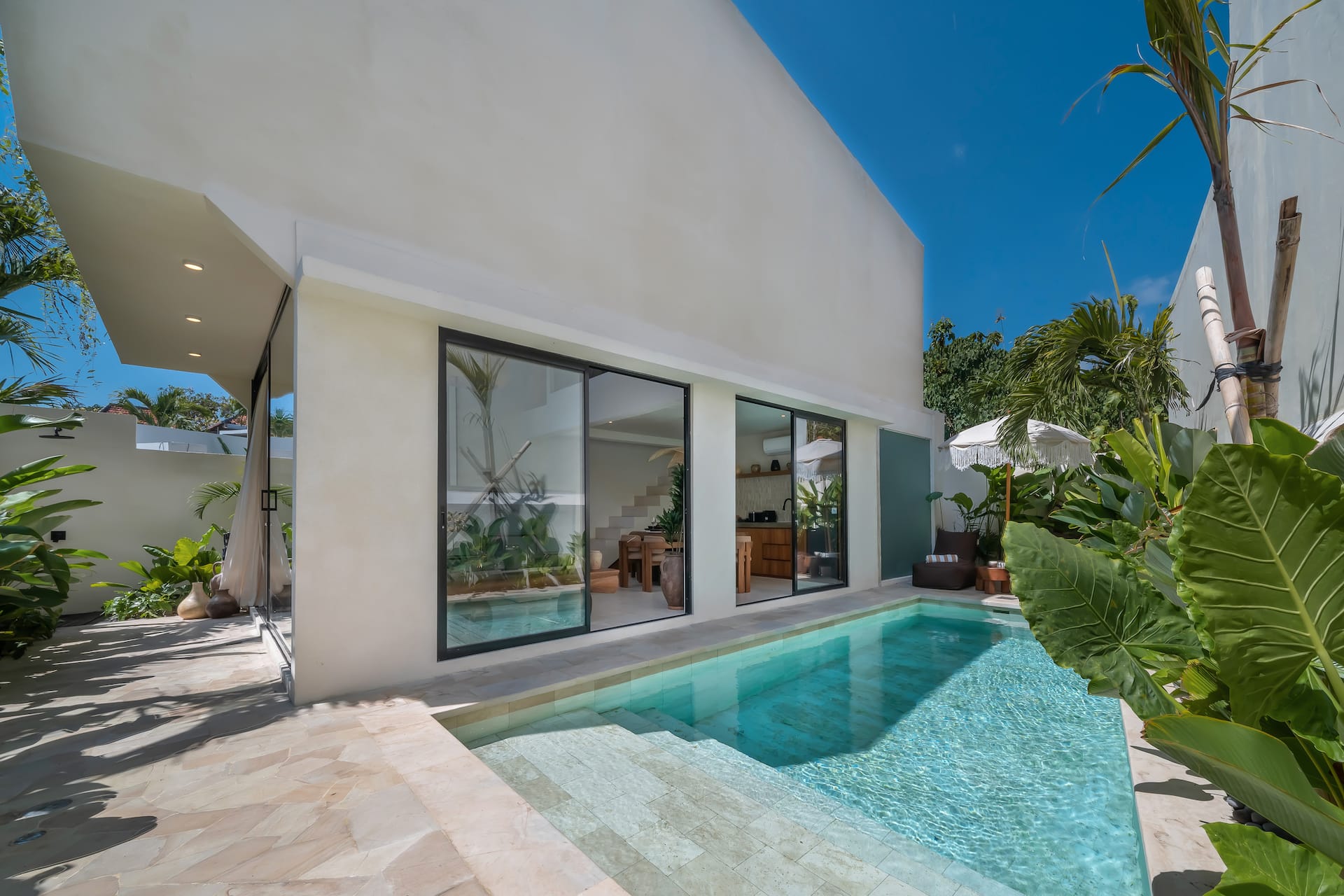
Villa Elementa
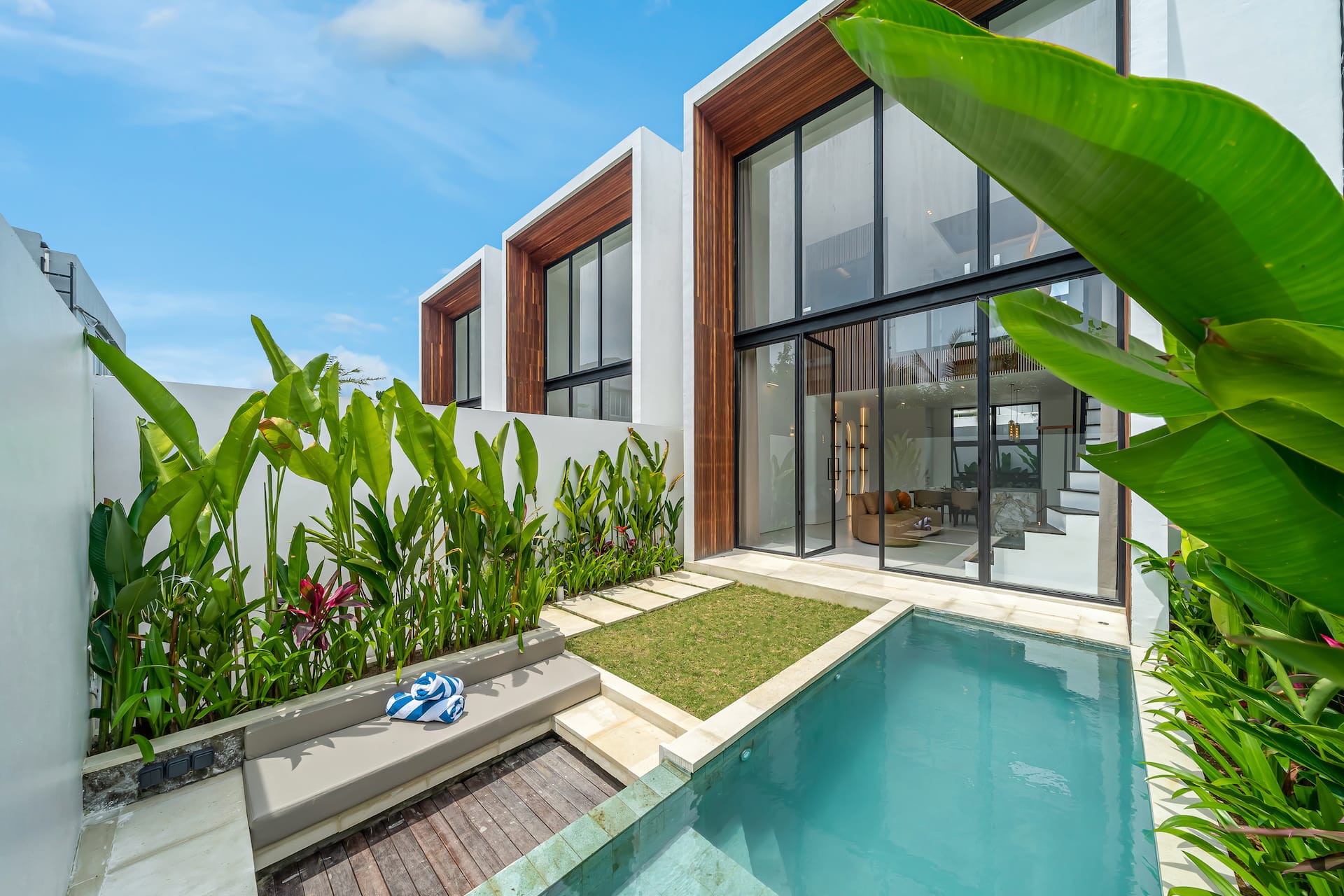
Fire Villa Berawa
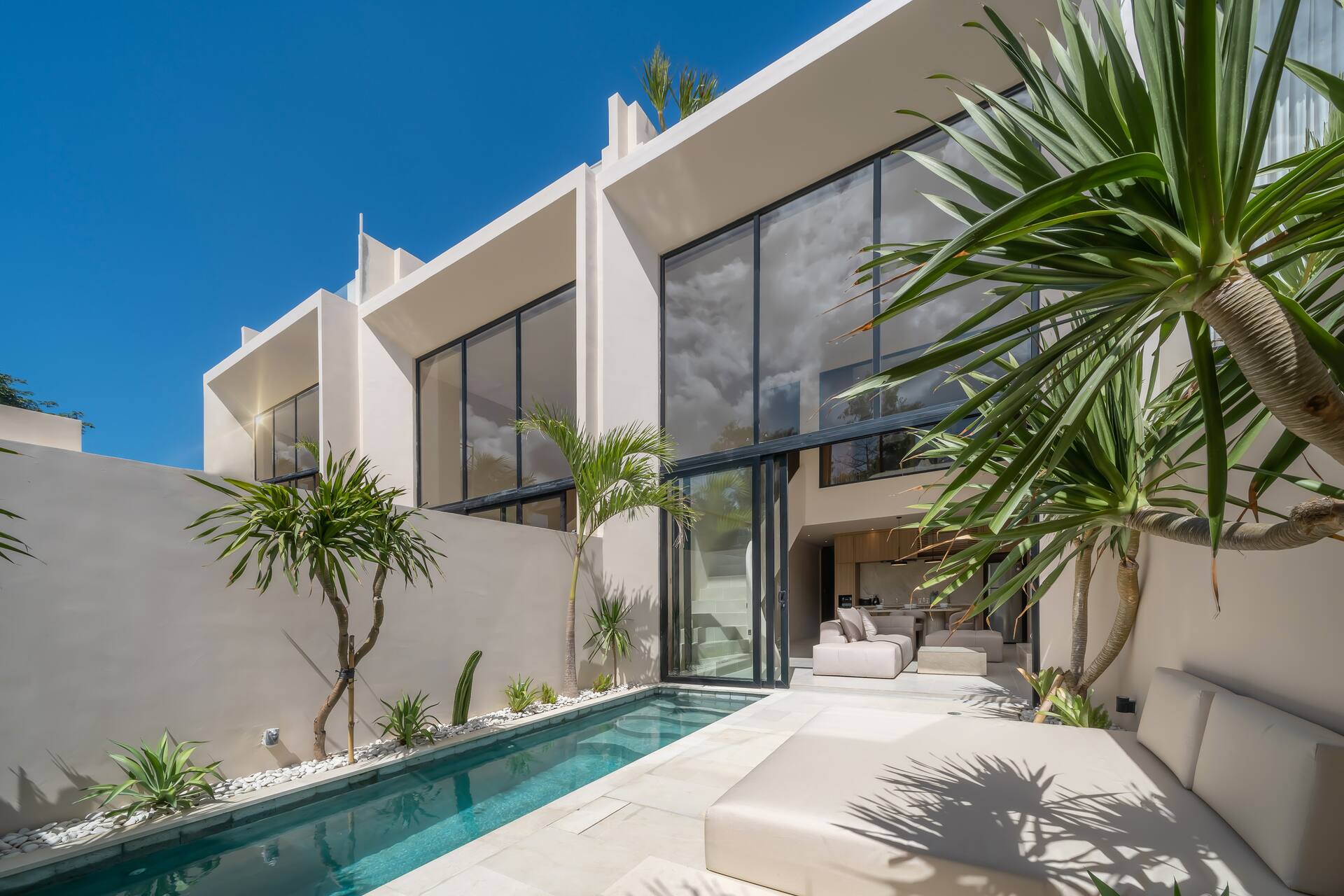
Enso 4
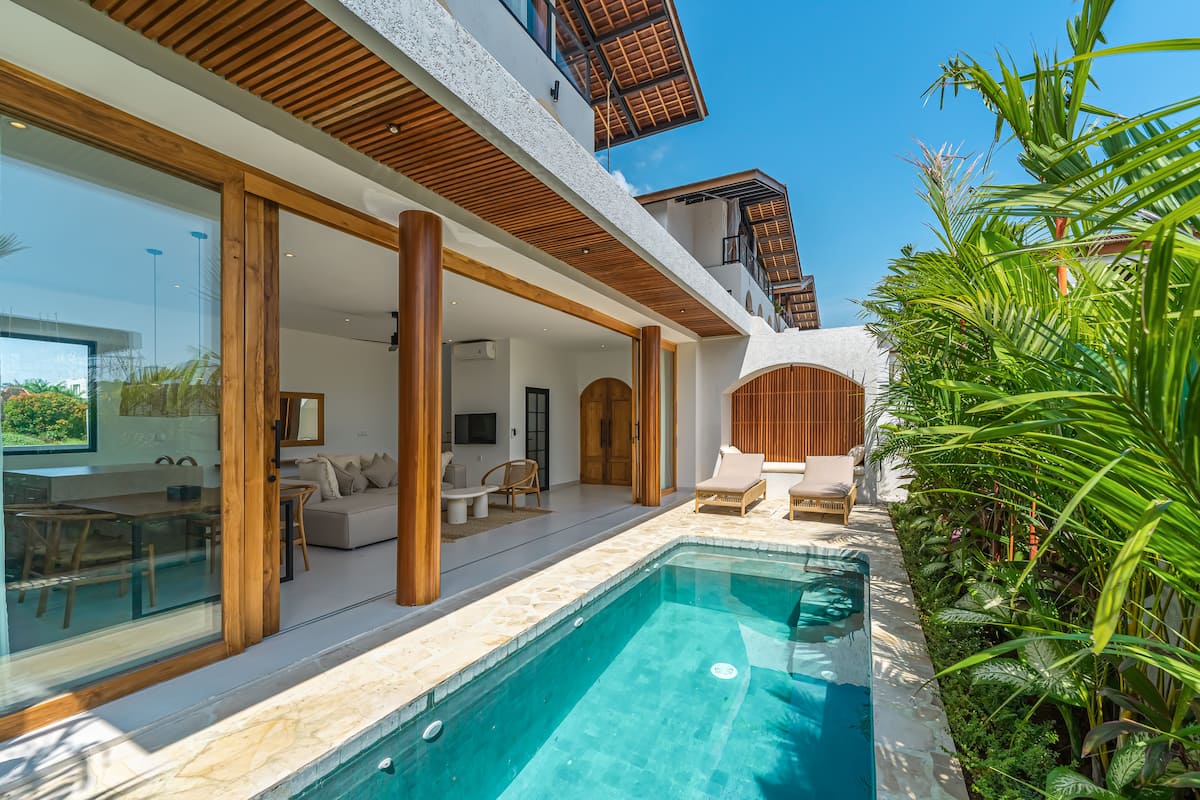
Terra Calma
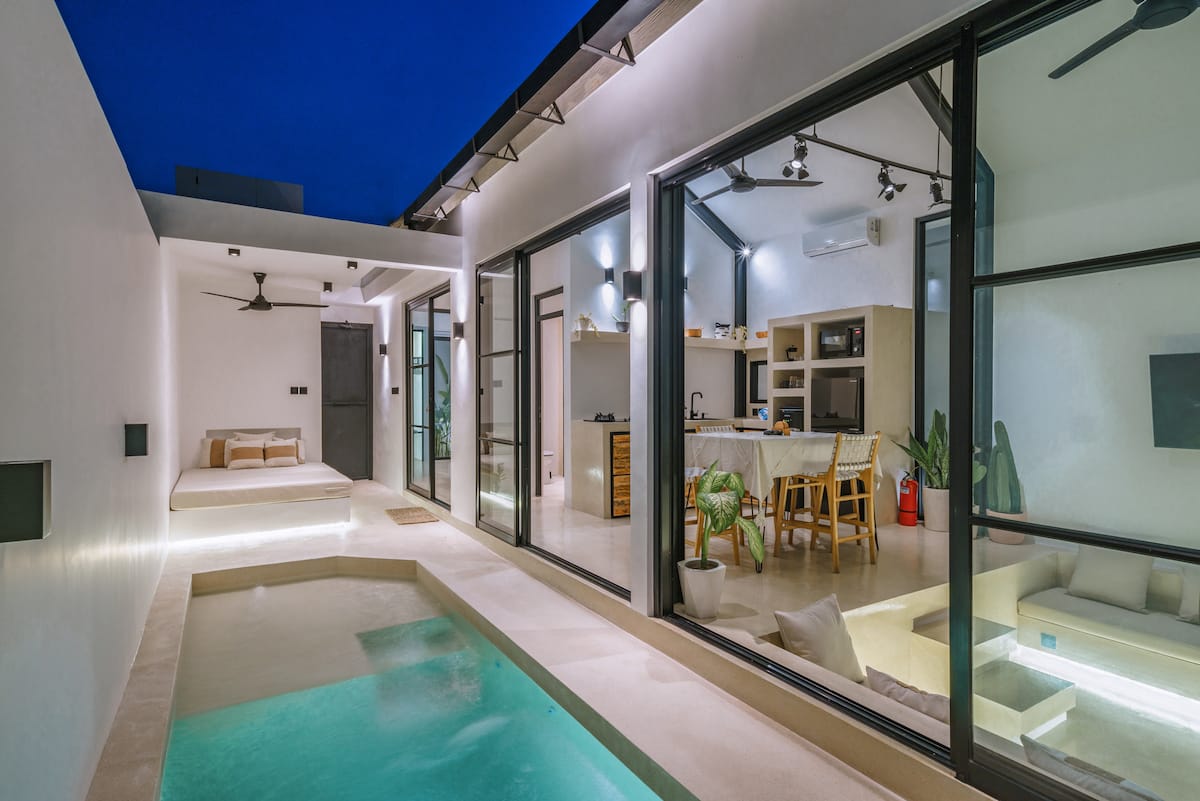
Villa Cha Cha
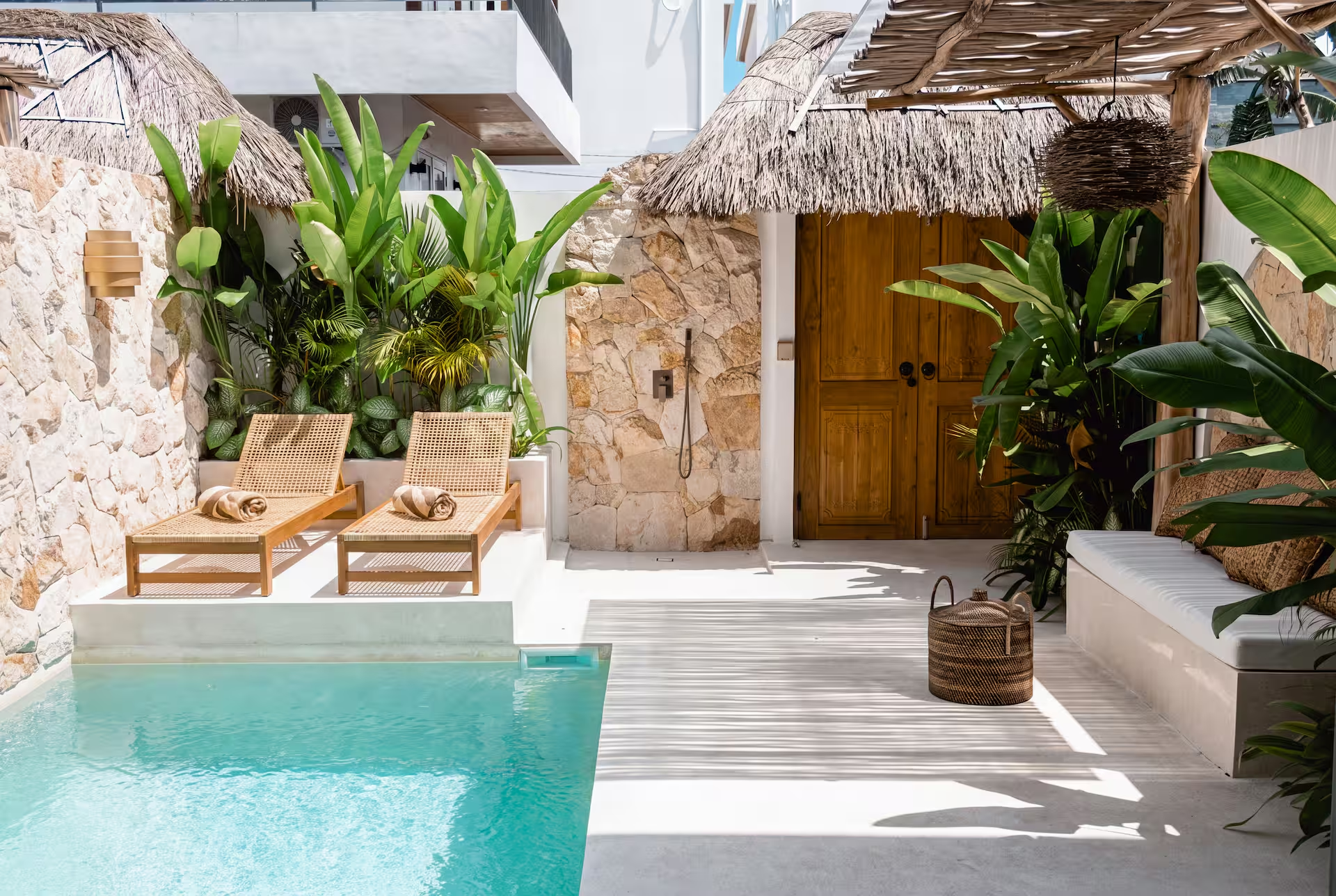
The Macan Canggu
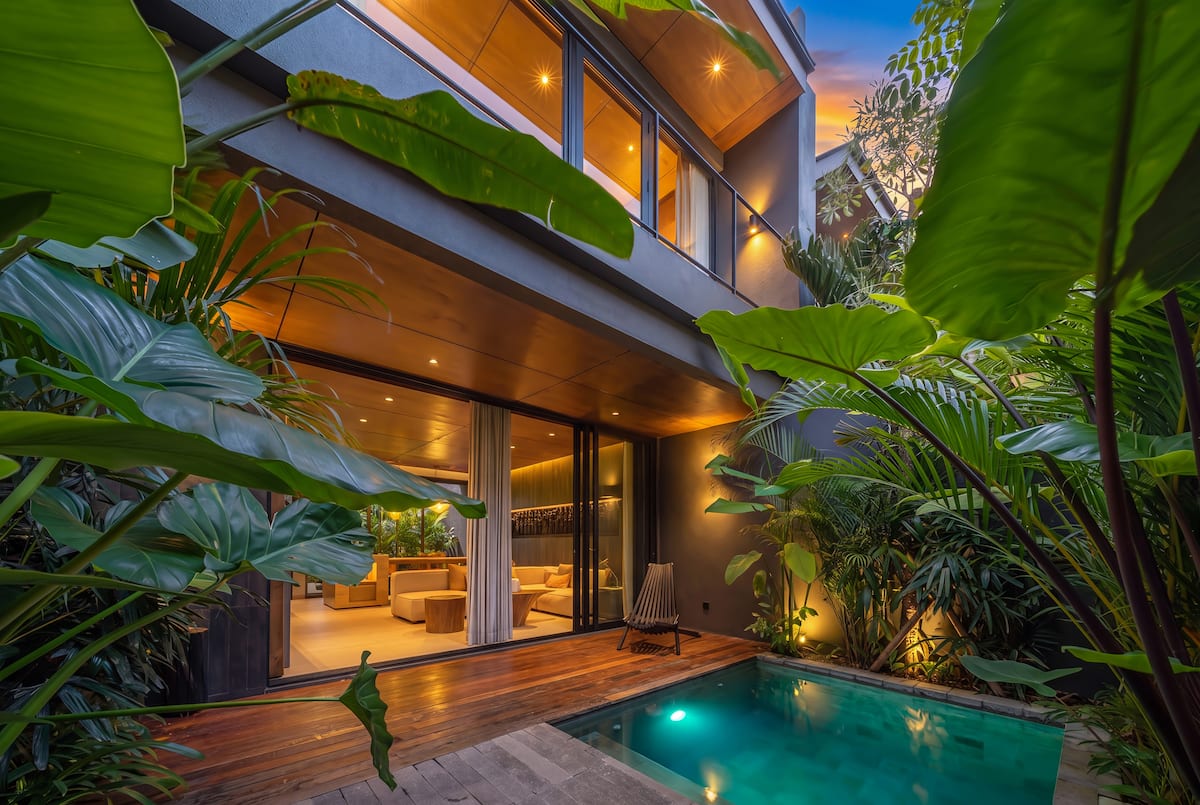
Akasha Berawa Retreat
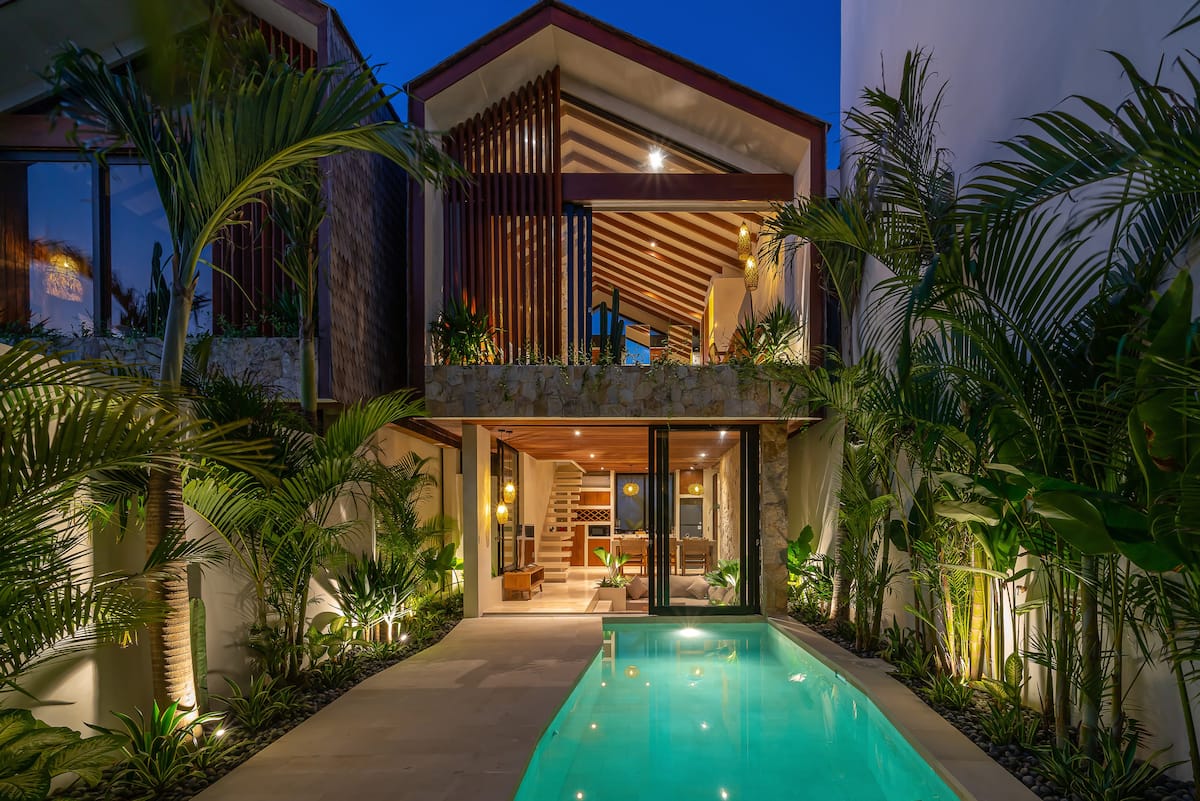
Villa Mūna
Frequently Asked Questions
Indonesian villas offer space, privacy, and personalisation that hotels cannot match. A typical luxury villa includes a private pool, full staff (chef, housekeeper, manager), and multiple bedrooms set within walled tropical gardens. For families and groups, the value proposition is particularly strong — the per-person cost of a four or five bedroom villa often undercuts equivalent hotel rooms while delivering a vastly more spacious and private experience. The in-villa chef alone transforms daily life, with meals prepared to your preferences from fresh market ingredients.
Bali has the most developed villa market, but Lombok offers a growing selection of high-quality properties, particularly around Senggigi and the southwest coast. The Gili Islands have a small number of beachfront villas. Nusa Lembongan, a short boat ride from Bali's southeast coast, offers a handful of boutique properties with outstanding snorkelling and a quieter atmosphere. For most travellers, Bali provides the widest choice, but combining two islands — Bali and Lombok, or Bali and the Gilis — is increasingly popular.
Most luxury villas in Indonesia include a full complement of staff as standard — typically a villa manager, private chef, housekeeper, and gardener or pool attendant. The chef prepares breakfast, lunch, and dinner from a menu that guests can customise, with grocery costs usually charged at market price plus a small service fee. Many villas also offer in-house spa therapists, babysitting, and driver services on request. The staffing model is one of Indonesia's great advantages and a key reason the villa experience here surpasses most competing destinations.
For peak periods — July, August, Christmas, and New Year — booking four to six months ahead is advisable for the most sought-after properties. Easter and Chinese New Year also see elevated demand. During shoulder and low seasons, two to four weeks' notice is usually sufficient, and last-minute availability can yield excellent rates. Group bookings for weddings or milestone celebrations should ideally be secured six to twelve months in advance.
Indonesia is a well-established family destination, particularly Bali, which has hosted families for decades. Villa staff are typically experienced with children and can arrange age-appropriate activities, child-friendly meals, and babysitting. The main practical considerations are tropical sun exposure, pool safety (most villas can arrange temporary fencing for toddlers on request), and food hygiene for very young children. Bali's international-standard medical facilities provide additional reassurance, and most family-oriented villas maintain comprehensive first-aid supplies.
Can't Decide? Let Us Help
Tell us your dates and preferences — our specialists will shortlist the perfect villas for you within 24 hours.
Get RecommendationsBrowse All
All 569 Villas in Indonesia
- Aether Villa Berawa
- Air Villa Berawa
- Akar
- Akasha Berawa Garden
- Akasha Berawa Jungle
- Akasha Berawa Retreat
- Akasha Berawa Sunset
- Alarte Estate
- Alea Estate
- Alice Estate
- Amanora & Amaluna
- Amarta Azul
- Angkasa Ubud
- Arkana Village
- Athaya Canggu Villas
- Awanara
- AYUR Bali Villas
- AYUR Bali Villas – Deluxe
- AYUR Bali Villas – Superior
- Batukaru Designer Suite
- Batukaru Pool Suite
- Batukaru Suite
- Bawa House
- Bellavista Amici
- Berawa Breeze
- Beyond The Sea
- Bingin Beach Escape Villa
- Bingin Beach Getaway Villa
- Bingin Beach Hideaway Villa
- Bingin Beach Ocean View Villa
- Bingin Unit 13
- Cala Galeo
- Cala Saona
- Canggu Masterpiece Villa
- Canggu Villa Go (Banyan)
- Canggu Villa Go (Perfection & Fragrance)
- Casa 24
- Casa 24A
- Casa 24AB
- Casa 24B
- Casa Alyce
- Casa Amici 8
- Casa Bahia
- Casa Brezza
- Casa Carmen
- Casa De Gracia
- Casa di Tanina
- Casa Donilo
- Casa Embra
- Casa Galicia
- Casa Infinito
- Casa Kameelya
- Casa Kami
- CASA KĀYA
- Casa Luca Pererenan
- Casa Makana
- Casa Mara
- Casa Mochi
- Casa Nalani
- Casa Shams
- Casa Siesta
- Casa Sirena Pererenan
- Casa Solea
- Casa Solo
- Casa Tamela Canggu
- Casa Vera
- Casa Verano
- Casadou
- Casawatu
- Chandler Berawa
- Chilling Monkeys
- Cinta
- Club Corner Residence
- Coco Jungle Canggu Villas
- Da Vinci The Villa
- Dandelion Villas Pandawa
- Dara & Irena
- De Amelia Seminyak Villa
- Desa Roro Estate
- Domo Villa 1
- Domo Villa 2
- Earth Villa
- Elephant Villa 4
- Elephant Villa 5
- Elephant Villa Estate
- Enso 4
- Entrada Seminyak Villas
- Fenosa Seminyak Villas (2 Bedroom)
- Fire Villa Berawa
- Five Palms Villa 4
- Gajah Villas Bali
- House of Onda
- HUME
- Inner Citadel
- Jadine Bali Villa
- Jungle Oasis
- Kadera
- Kamila Villa 1
- Kamila Villa 2
- Katak Villa
- La Casa Mosè
- Laroona Canggu
- Las Casas 17
- Las Casas 5
- Lexington Palace Villa
- Little Mannao
- Loft Alex
- Loft Berawa 3
- Loft Carolyn 2
- Loft Erika
- Loft Ludo 10
- Loft Ludo 7
- Loft Ludo 8
- Loft Ludo 9
- Loona Palm Estate Canggu
- Loona Palm Estate Seseh
- Loona Palm Seseh 1
- Loona Palm Seseh 2
- Loona Palm Villa 1
- Loona Palm Villa 2
- Luxe Umalas
- M Villa 318 Canggu
- Maiora Hills
- Maison Kala
- Maison Palmera
- Mareo
- Mastaleth
- Nala Villas
- Nava
- Nirwana Air
- Nirwana Uluwatu
- Nova Oasis 1
- Nova Oasis 3
- Nova Oasis 4
- Nova Oasis Berawa
- Nova Oasis Berawa 2
- Nova Oasis Berawa 3
- Nova Oasis Berawa 5
- Nova Oasis Berawa 8
- Nova Villa
- OASI House Canggu
- Ocean Golf Villa Rubi
- Palmera Juma
- Pool House Seminyak
- Pool Loft Berawa
- Pranaya Arunava Ubud Villas
- Pranaya Parama Ubud Villas
- Pranaya Sunrise Terrace Ubud Villas
- Pure Villa Bali
- Puri Lana Villa
- Rumah Gemuruh Villa
- Rumah Melati Estate
- Rumah Tova
- Sadila Estate 17
- Salt Villa
- Sanctum House
- Sealuna
- SILK Umalas – Deluxe
- SILK Umalas – Deluxe (3BR)
- SILK Umalas – Superior
- Sivana
- Sivana Studio
- Sivana Suite
- So Luxxe
- St. Lau
- Subali
- Sunbeam Oasis
- Sunset
- Swan Villa R
- Sweet Birds
- Temple Estate
- Terra Calma
- The Aurum Canggu Villas
- The Banyan Pererenan
- The Chands Delapan
- The Chands Dua
- The Chands Empat
- The Chands Enam
- The Chands Lima
- The Chands Satu
- The Chands Tiga
- The Chands Tujuh
- The Chands Villa – A Beachfront Luxury Escape in Canggu
- The Jendela House
- The Jungalow
- The Line
- The Luminous Villa
- the macan Bingin
- The Macan Canggu
- The Reika Villas
- The Turiya
- Uluwatu Tropical Estate
- Uma Jiwa
- Under the Palms
- Ventara Bingin
- Vila Gila Canggu
- Villa Abigail
- Villa Aiimara
- Villa Air
- Villa Akar & Daun
- Villa Alain 1
- Villa Alami
- Villa Alea
- Villa Aless
- Villa Aloui
- Villa Altara
- Villa Alun
- Villa Amaluna
- Villa Amanora
- Villa Amara Canggu
- Villa Ambalika
- Villa Ambar
- Villa Ammanya
- Villa Amore
- Villa Anarya
- Villa Anassa Canggu
- Villa Anna
- Villa Ara
- Villa Araw
- Villa Arnie
- Villa Arunika
- Villa Arvatya
- Villa Ashoka
- Villa Asri Nyanyi
- Villa Atap Padi
- Villa Athena
- Villa Atmo
- Villa Axé
- Villa Ayo 1
- Villa Babylon
- Villa Balangan Sunset
- Villa Bali Om
- Villa Bali Townhouse
- Villa Baliwood
- Villa Bamalam
- Villa Barabuda
- Villa Baratega
- Villa Bata
- Villa Batik
- Villa Bedawang
- Villa Berawa
- Villa Bewa
- Villa Beyond the Palms
- Villa Bima
- Villa Bimini
- Villa Bingin Romance
- Villa Bintang
- Villa Bliss
- Villa Bold x Gold
- Villa Bonita
- Villa Brisa
- Villa Buana
- Villa Bulan
- Villa Candi Kecil Tiga
- Villa Cansavina
- Villa Casis
- Villa Castil di Udara
- Villa Celeste
- Villa Cempaka Ungu
- Villa Cempaka Ungu 2
- Villa Cha Cha
- Villa Chagall
- Villa Chocolat 1 (5 bedrooms)
- Villa Chocolat 2
- Villa Cinco
- Villa Cinta
- Villa Cinta & Coco
- Villa Cinta Rose
- Villa Ciwuwi
- Villa Coco
- Villa Coco Bay
- Villa Coco.nuts
- Villa Cocoon Gaia
- Villa Cometa Luxury
- Villa Cometa Prime
- Villa Cord Bingin
- Villa Cuatro
- Villa Damar Canggu
- Villa Dara
- Villa Dara
- Villa Daun Berawa
- Villa Delight
- Villa Desa Roro
- Villa Desa Roro Dua
- Villa Dewata
- Villa Dreamora
- Villa Dreamscape Haven
- Villa Dusa
- Villa Elementa
- Villa Eliad
- Villa Ellyne Umalas
- Villa Elma Umalas
- Villa Elysa
- Villa Emilia
- Villa Era
- Villa Familia
- Villa Fiji
- Villa Finity A
- Villa Fonda
- Villa Gajah
- Villa Garita
- Villa Gauguin
- Villa Gils
- Villa Griya Aditi
- Villa Hacienda
- Villa Haka
- Villa Halle
- Villa Halo
- Villa Hangat
- Villa Harlow
- Villa Hati
- Villa Haven Berawa
- Villa Heiwa
- Villa Honey
- Villa Hubert
- Villa Inka
- Villa Intan
- Villa Isly
- Villa Isyan Canggu
- Villa Jannati Berawa
- Villa Jaxe
- Villa Jenna
- Villa Jonsu
- Villa Joss Seminyak
- Villa Juna
- Villa June
- Villa Kahaya
- Villa Kaia 1
- Villa Kaia 3
- Villa Kailani
- Villa Kaja
- Villa Kala
- Villa Kalila
- Villa Kamboja
- Villa Kanopi
- Villa Karang
- Villa Kauh
- Villa Kayana
- Villa Kayana Luma
- Villa Kembali 10
- Villa Kembali 7
- Villa Kiena Ubud
- Villa Kiki
- Villa Kirana
- Villa Kiyoji
- Villa Kiyomi
- Villa Kokoan
- Villa Konkrete
- Villa Koya
- Villa Kubu Dewi Sri
- Villa Kumala
- Villa Kusa Uluwatu
- Villa Kusuma
- Villa Kuwait
- Villa La Sirena 4
- Villa Lago
- Villa Laksmana Hideaway 2
- Villa Lange 3
- Villa Langit
- Villa Lapis 2
- Villa Larente
- Villa Larimar
- Villa Las Casas
- Villa Latima
- Villa Layla
- Villa LeNomi
- Villa Leros
- Villa Liang
- Villa Lidwina
- Villa Lilu
- Villa Lisy
- Villa Loom
- Villa Louis
- Villa LouLou
- Villa Lovina
- Villa Lumira Nyanyi
- Villa Lumma 3
- Villa Luna
- Villa Luna
- Villa Lunara
- Villa Madame
- Villa Madissa
- Villa Malaikat
- Villa Mango 2
- Villa Mango Bliss
- Villa Mannao
- Villa Marili Seminyak
- Villa Marlon
- Villa Martine
- Villa Mas 3
- Villa Mas 4
- Villa Matahari
- Villa Maverick
- Villa Melina
- Villa Mellow
- Villa Memoria
- Villa Merta Sari 10
- Villa Merta Sari 8
- Villa Mi Amor
- Villa Mila
- Villa Milana Canggu
- Villa Milos
- Villa Minimala
- Villa Mira
- Villa Moana
- Villa Moana
- Villa Mogi
- Villa Mogu
- Villa Mūna
- Villa Mutiara
- Villa Nahema
- Villa Nala
- Villa Nala 1
- Villa Nala 2
- Villa Nalaka
- Villa Naoki
- Villa Nara
- Villa Narda
- Villa Nawa
- Villa Nestor
- Villa Nikaia
- Villa Nikko
- Villa Nishiki
- Villa Noema
- Villa Noumea
- Villa Nuju
- Villa Nusa Umalas
- Villa NVL Canggu
- Villa Nyaman
- Villa Nyang Nyang
- Villa Ohlala
- Villa Okenada
- Villa Olatua
- Villa Omah Padi
- Villa Onsa
- Villa Origami
- Villa Pali
- Villa Palm Tree
- Villa Palma Blanca Canggu
- Villa Paloma
- Villa Pande
- Villa Paradiso
- Villa Paraiso
- Villa Pecatu
- Villa Pererenan Gem
- Villa Pererenan Luxe
- Villa Philou
- Villa Polanco
- Villa Prana Umalas
- Villa Puri Aman
- Villa Puri Bintang
- Villa Puri Pura
- Villa Puri Senang
- Villa Puri Temple
- Villa Purnama
- Villa Rame
- Villa Ratna
- Villa Reviva
- Villa Rimba
- Villa Rindu Kamu
- Villa Rio Seminyak
- Villa RIZR
- Villa Roku
- Villa Rosita
- Villa Rubina
- Villa Rumpi
- Villa Sagu
- Villa Saha
- Villa Sakura
- Villa Sandro
- Villa Sanook
- Villa Santan
- Villa Satiya
- Villa Satria
- Villa Savani
- Villa Sawah
- Villa Saya
- Villa Sea
- Villa Seabel
- Villa Seacluded 1 Seminyak
- Villa Segara
- Villa Selikur 1
- Villa Selikur 2
- Villa Selina
- Villa Senja
- Villa Serena Lux Canggu
- Villa Serenity Canggu
- Villa Serenya
- Villa Seseh Bliss
- Villa Seseh Breeze
- Villa Shams
- Villa Shantika
- Villa Siang Pererenan
- Villa Sivana
- Villa Sivana II
- Villa Sky Li
- Villa SoDe
- Villa Solaia
- Villa Solani
- Villa Sorano Canggu
- Villa Sorano Seminyak
- Villa Sorrento
- Villa Subak
- Villa Suka Sawah
- Villa Sumara
- Villa Sunrise
- Villa Sunsara 4
- Villa Sunset Berawa
- Villa Surga
- Villa Suvitha
- Villa Taijasa
- Villa Tala
- Villa Taman Di Blayu
- Villa Tara
- Villa Teman
- Villa Tenang
- Villa Terang
- Villa Terra Calma
- Villa That You
- Villa The Uma
- Villa Tierra
- Villa Tigana
- Villa Tilos
- Villa Tiny
- Villa Tiny 2
- Villa Tira
- Villa Tridi
- Villa Tykhe
- Villa Umaju
- Villa Umalas Tropica
- Villa Umara
- Villa Uni Canggu
- Villa Upeksha
- Villa V Seminyak
- Villa Valeria
- Villa Vantage 7
- Villa Vaya
- Villa Veda
- Villa Vesna
- Villa Vesna 7
- Villa Victoria
- Villa Vida
- Villa Vida & Vola
- Villa Vishuddha
- Villa Vola
- Villa Vybe
- Villa Weiss
- Villa Wellness Bisous
- Villa West
- Villa Wiana
- Villa Wiraja 1
- Villa Wiraja 2
- Villa Wirtiga
- Villa Wolfe
- Villa Yeh Gangga
- Villa Yenian
- Villa Yuka
- Villa Yuka
- Villa Yuko
- Villa Yuri
- Villa Zama Canggu
- Villa Zango
- Villa Zaya Uluwatu
- Villa Ziggy
- Water Villa
- Wave
- White Rabbit
- Xanadu
- Yellow Moon