Why Stay in Mirissa?
Mirissa curves around a bay so perfectly formed it looks almost deliberate — a crescent of pale sand backed by a dense wall of coconut palms, the water shifting from pale jade near the shore to deep oceanic blue beyond the headlands. It is the kind of beach that provokes an involuntary intake of breath on first sight, and somehow never quite loses that effect, even after days of waking to the same view. The town occupies a gentle slope above the bay, its roads narrowing into lanes that disappear into tropical green, and the overall impression is of a place that has grown up around its landscape rather than over it.
The waters off Mirissa conceal something extraordinary. Between November and April, the deep submarine canyon that runs close to the southern coast draws blue whales — the largest creatures ever to have lived — within a few nautical miles of the shore. To watch a blue whale surface, exhale a column of vapour into the morning air and then slide back beneath the Indian Ocean is an encounter that recalibrates the senses entirely. Spinner dolphins travel in vast, acrobatic pods. Sperm whales pass through on their own migratory routes. The ocean here is not merely scenic; it is profoundly alive.
Back on land, Mirissa operates at a tempo that discourages urgency of any kind. The main beach is long enough to absorb visitors without ever feeling crowded. At its eastern end, Parrot Rock — a small, palm-topped promontory connected to the shore by a rocky causeway — offers a vantage point from which the full sweep of the bay reveals itself. The surf breaks here are forgiving and fun, rolling over sandy bottoms in warm, chest-deep water. And as the afternoon light softens, the fishing boats return to the western end of the beach, their crews unloading the catch that will appear on restaurant tables by nightfall.
Mirissa’s dining and social scene has matured considerably in recent years without losing its essential character. Open-air restaurants serve grilled seafood on the sand, lit by lanterns as the stars emerge. A handful of more refined establishments have arrived, bringing carefully sourced menus and considered wine lists to a setting where the dress code remains resolutely relaxed. The village itself is small enough to navigate on foot, and the faces become familiar quickly — the woman who runs the fruit stall, the fisherman who mends his nets each morning, the barista who remembers your order. It is a community, not just a destination.
Planning Your Mirissa Stay
Best Time to Visit
November through April is the ideal season, when dry weather, calm seas and consistent sunshine define the days. This window also coincides with the whale watching season, when blue whales and dolphins congregate in the deep waters offshore. December through March sees the warmest temperatures and the least rainfall. The southwest monsoon brings wetter conditions from May to September, and while the town remains open, seas are rougher and whale watching excursions do not operate.
Getting There
Mirissa is approximately three hours south of Colombo's Bandaranaike International Airport. The most efficient route follows the Southern Expressway to Galle, then the coastal road east through a string of fishing villages — a journey that transitions gradually from motorway efficiency to oceanside serenity. The coastal railway from Colombo to Matara also stops nearby at Weligama, a short tuk-tuk ride from Mirissa. Private transfers are recommended for arrival comfort, and most villa hosts will arrange them on request.
Getting Around
Mirissa itself is small enough to explore on foot, with the beach, restaurants and village all within easy walking distance. A scooter extends the range effortlessly — the coast road connects to Weligama in one direction and the quieter beaches toward Dickwella in the other. Tuk-tuks are readily available for spontaneous trips. For excursions to Galle Fort, the Handunugoda tea estate or the interior, a car with driver is the most comfortable option and can be arranged through your villa.
Where to Eat
Seafood dominates, and rightly so. The catch arrives daily — red snapper, tuna, prawns, squid — and is prepared with minimal intervention at beachfront restaurants where the tables sit on the sand and the soundtrack is the ocean itself. Sri Lankan rice and curry is served generously at local spots in the village, each family kitchen producing its own variations on the theme. A growing number of cafes offer excellent coffee, fresh juices and breakfast menus that draw on both local and international traditions. Evening dining tends toward the languid — long meals, cold drinks and the slow fade of a tropical sunset.
Mirissa Villas
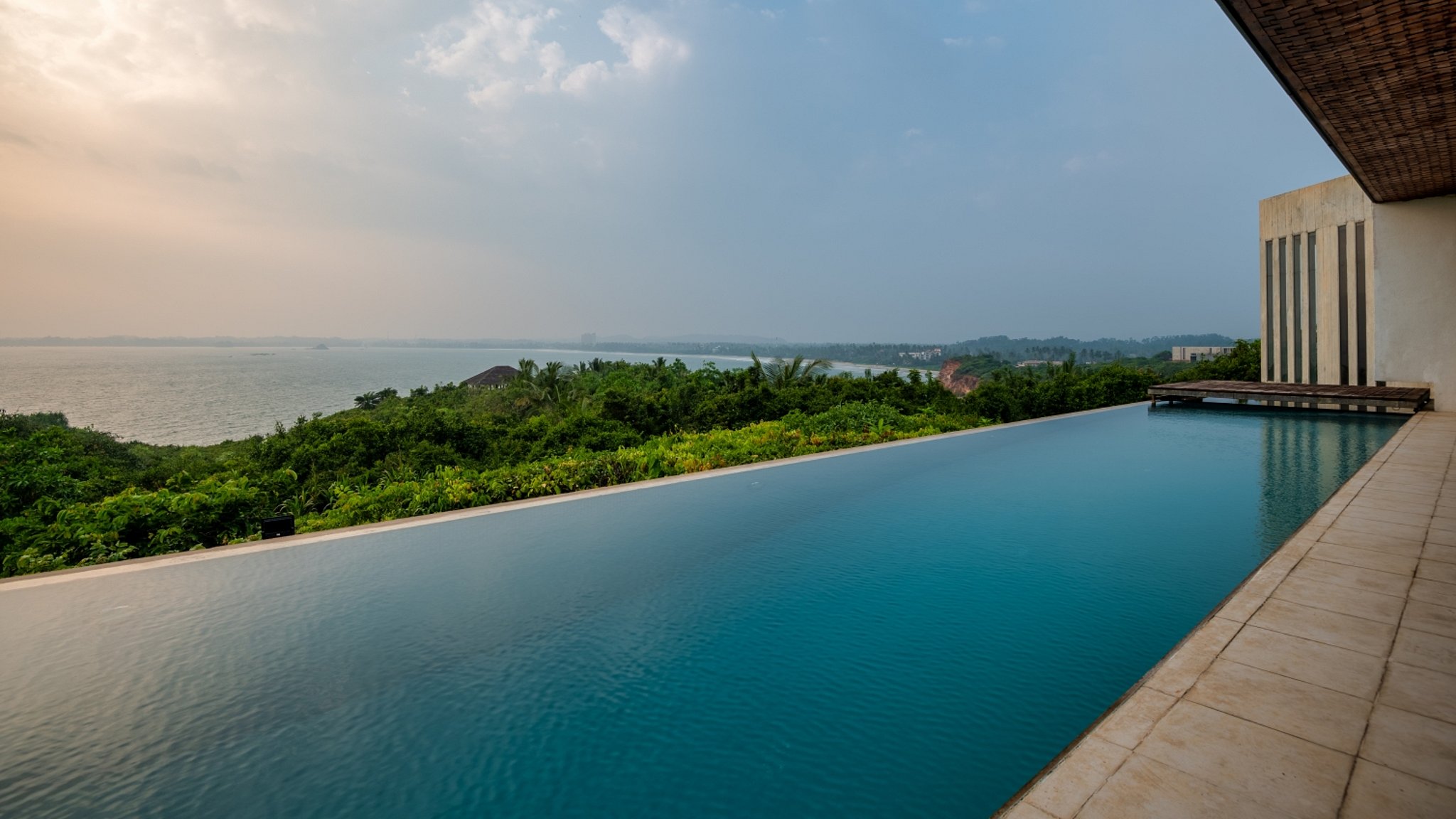
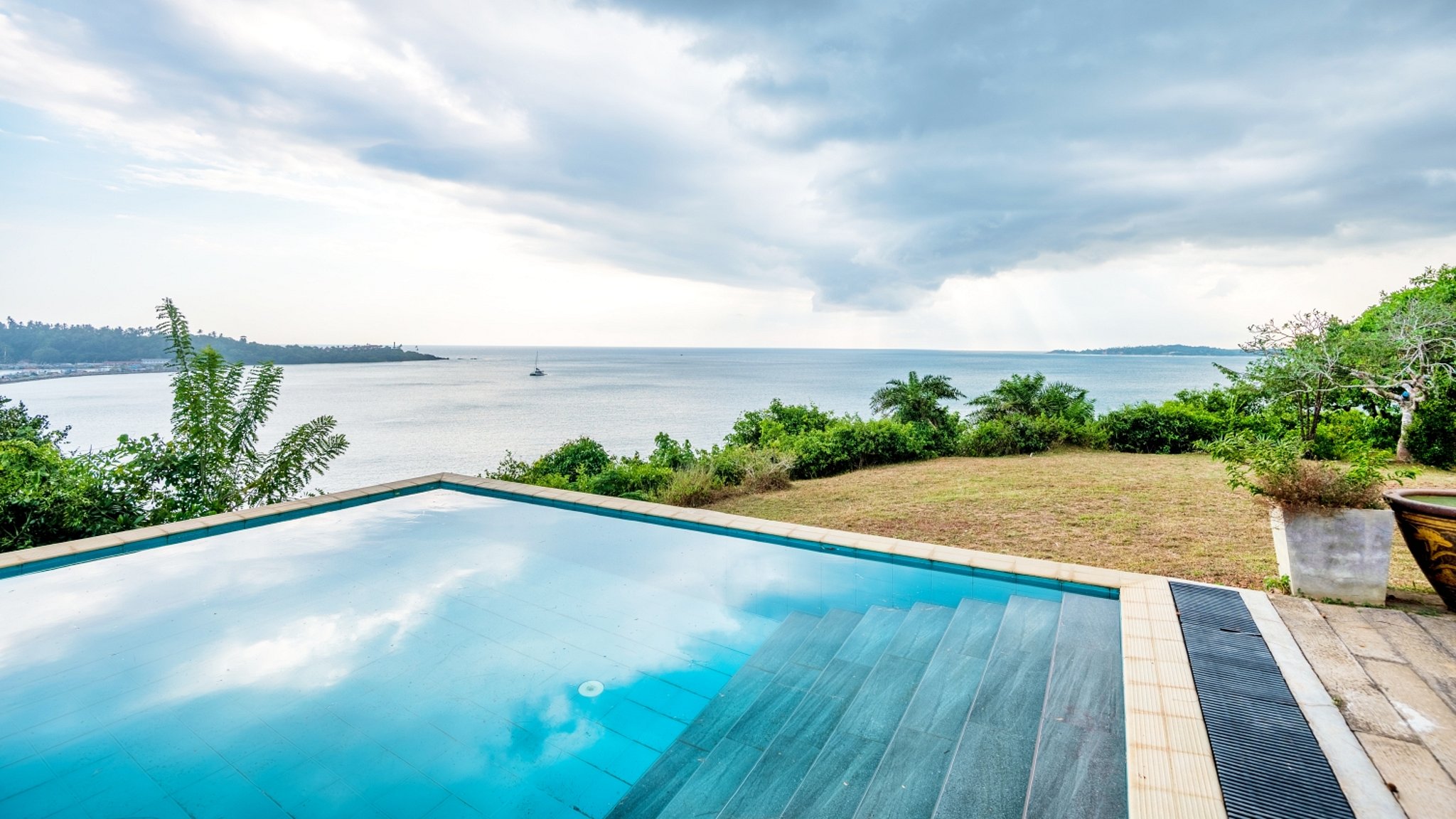
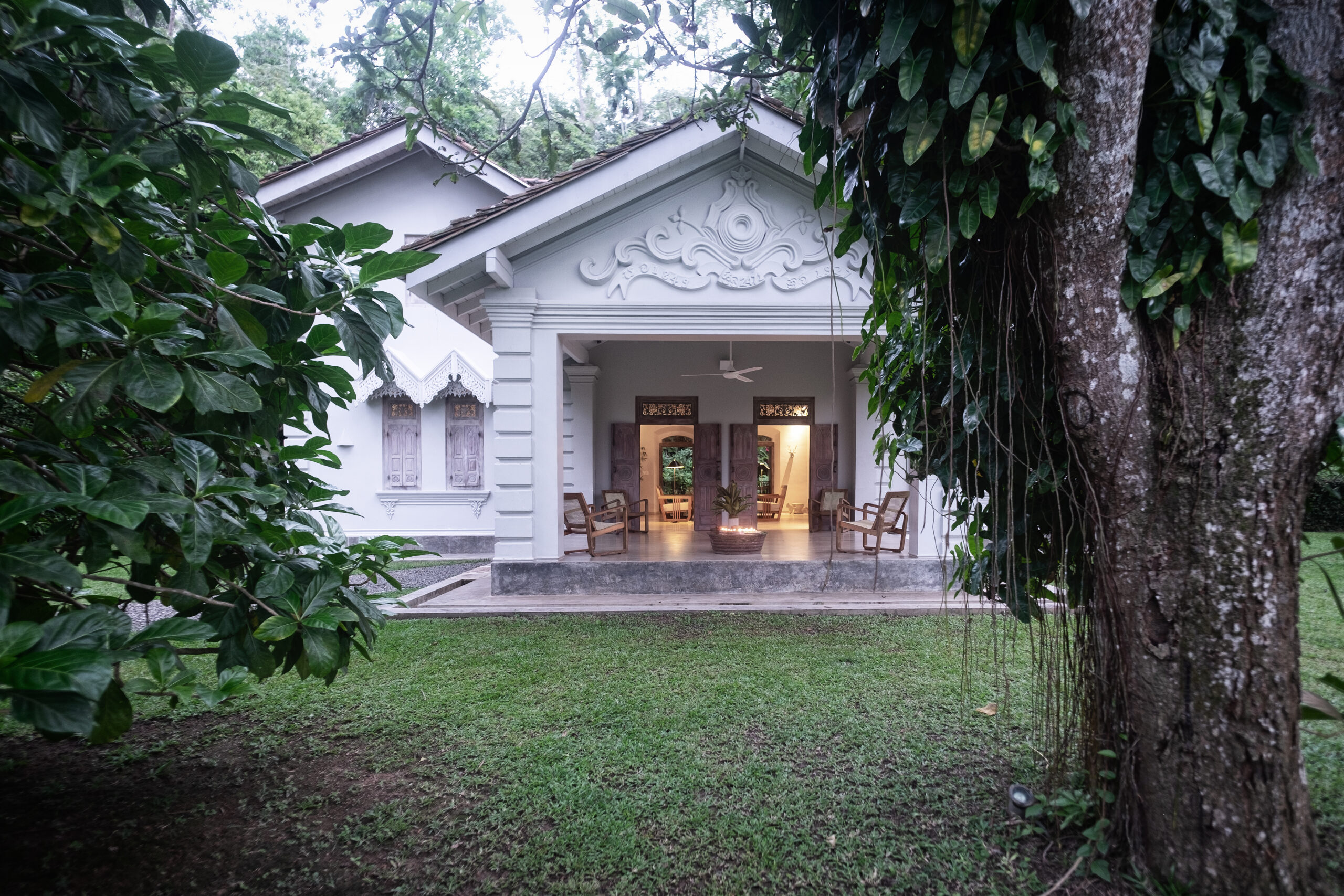
3 handpicked luxury villas available
Other Areas Nearby
Each neighbourhood has its own character.
Frequently Asked Questions
The whale watching season runs from approximately November to April, with peak sightings between January and March. Blue whales, the primary draw, follow migratory routes that bring them remarkably close to Sri Lanka's southern coast. Spinner dolphins and sperm whales are also regularly encountered. Excursions depart in the early morning from Mirissa harbour and typically last four to five hours. Conditions are calmest and most favourable during the dry season months.
Mirissa's crescent bay offers excellent swimming conditions during the dry season. The beach shelves gently, the water is warm year-round, and the bay's natural shape provides some shelter from open-ocean swells. The western end tends to be calmer, while the eastern stretch near Parrot Rock can have a gentle shore break that suits body surfing. During the monsoon months, currents can be stronger, and local advice should be followed.
Mirissa is roughly forty-five minutes to an hour east of Galle along the coastal road, depending on traffic through the small towns en route. The journey is scenic and unhurried, passing through Unawatuna, Ahangama and Weligama. Galle Fort — with its rampart walks, boutiques, galleries and dining — makes an easy half-day or evening trip from Mirissa, and many guests visit more than once during their stay.
Mirissa suits families who are comfortable with an independent, relaxed style of travel. The calm waters of the bay provide safe swimming for children during the dry season, and the whale watching excursions are a genuinely awe-inspiring experience for all ages. The village is friendly and easy to navigate, and the pace of life is gentle. Families looking for structured kids' clubs or resort-style programming may find it too laid-back, but those seeking a natural, low-key coastal holiday will find it ideal.
Mirissa occupies a sweet spot between the surf-focused simplicity of Ahangama and the livelier energy of Hikkaduwa. Its crescent bay is arguably the most beautiful beach on the south coast, its whale watching is world-class, and its dining scene has matured into something genuinely appealing. Yet it retains the intimacy of a small village — a place where you can walk the length of the beach and back in twenty minutes, where the fishermen know the restaurant owners by name, and where the horizon, vast and uninterrupted, feels like it belongs to you alone.
Can't Decide? Let Us Help
Tell us your dates and preferences — our specialists will shortlist the perfect villas for you within 24 hours.
Get RecommendationsMirissa Guides