Bali in Rainy Season: Why It’s Actually the Best Time to Visit
Every year, we watch travellers pay peak-season prices to visit Bali in July and August, while the island’s arguably most beautiful months — November through March — offer dramatically better value with weather that’s far less daunting than its reputation suggests.
What “Rainy Season” Actually Looks Like
The term “rainy season” conjures images of relentless downpours, but Bali’s wet season is nothing like a British winter. Typical pattern: bright, warm mornings (28-32°C), a dramatic tropical downpour in the mid-to-late afternoon lasting 1-2 hours, then clear, balmy evenings perfect for outdoor dining.
Many days have no rain at all. When it does rain, it’s spectacular — thundering tropical storms that are genuinely exciting to watch from the comfort of your villa’s covered pavilion, cocktail in hand.
The Price Advantage
Low-season villa rates are typically 30-40% lower than peak season. That premium 5-bedroom Seminyak villa at $800/night in August? It’s $500 in November. The same staff, the same pool, the same chef — just fewer tourists on the beach.
Flights are significantly cheaper too. Return flights from Australia that cost $1,200 in July can be found for $600-$700 in the wet season. Multiple that saving across a family of four and the numbers become compelling.
Why the Island Looks Better
The rain transforms Bali’s landscape. Rice terraces glow an impossible shade of green. Waterfalls are at their most powerful. Gardens explode with tropical flowers. The famous Bali sunsets — unobstructed by the haze that sometimes affects the dry season — put on their most dramatic displays.
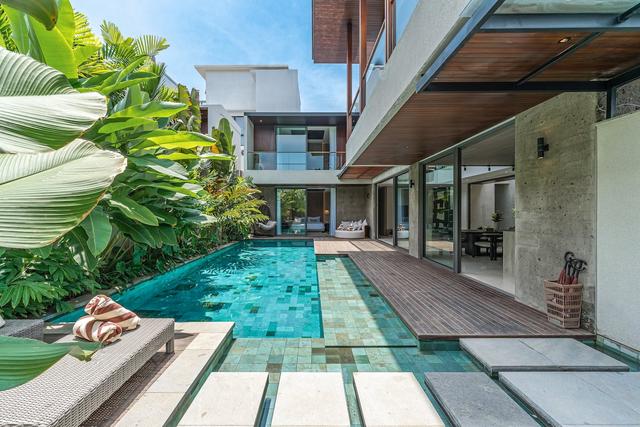
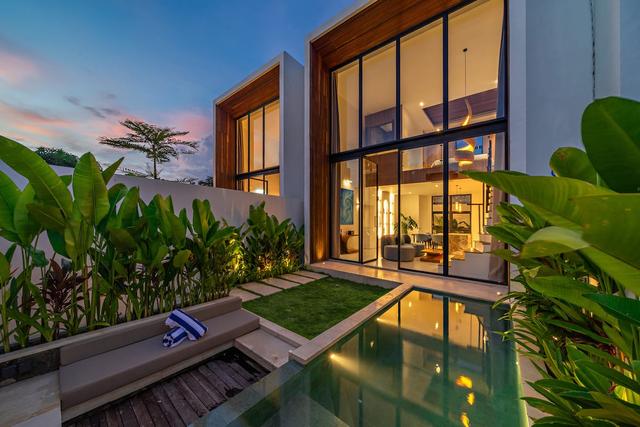
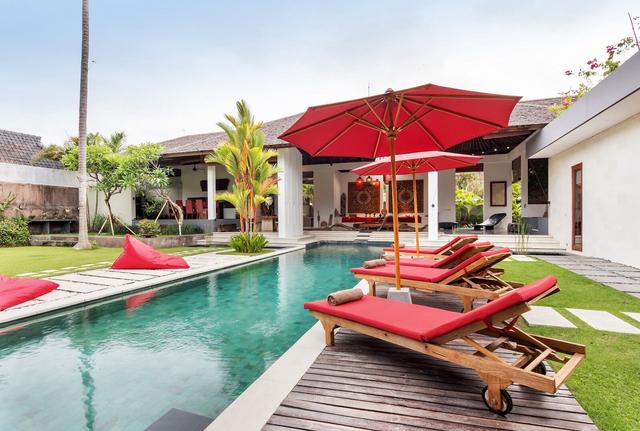
Some of the most stunning villa photos in our collection were taken during rainy season. The light has a quality that dry season simply can’t match.
Fewer Crowds, Better Service
Restaurants that require bookings weeks ahead in August will welcome you with open arms in December (outside the Christmas week). Your villa staff are less stretched. Beach clubs have sunbeds available. Temple visits feel more personal. The entire island operates at a gentler pace.
What to Watch Out For
We’d be dishonest if we didn’t mention the downsides. Humidity is higher — expect to feel sticky between air-conditioned spaces. Some beach areas experience stronger currents. Very occasionally, a day will be genuinely rainy from morning to night (maybe 2-3 days per month).
Our advice: plan a mix of activities. Schedule your must-do outdoor excursions (rice terrace trek, temple visits) for mornings when the weather is most reliable. Keep afternoons flexible for villa time, spa treatments, or indoor activities.
The Best Months
November: The transition month. Prices drop but weather is still mostly dry. Our pick for best overall value.
February-March: The wettest months, but also the cheapest and most lush. Perfect if you’re primarily there to relax at your villa.
April: Another transition month as the dry season begins. Great weather at near-low-season prices.
Browse our villa collection and check rates for your preferred wet-season dates. You might be surprised at what’s available.

Luxury Dream Escapes
Our villa specialists have lived in Southeast Asia for a combined 30+ years. We stay in every villa before adding it to our collection, so our recommendations come from genuine experience.