Things to Do in Ubud — The Complete Guide
Why Ubud
If Seminyak is Bali’s glamorous coast, Ubud is its soul. Set among rice terraces, river valleys, and dense tropical forest in the island’s central highlands, Ubud has been drawing artists, writers, and spiritual seekers since the 1930s. Today it’s Bali’s cultural capital — a place where ancient temples sit alongside world-class restaurants, and your morning might start with a yoga class overlooking a jungle canopy before ending at a traditional dance performance in a royal palace.
It’s also home to some of Bali’s most spectacular private villas, many with infinity pools overlooking the Ayung River valley or rice paddies that stretch to the horizon. Here’s our guide to the best things to do in Ubud.
Walk the Tegallalang Rice Terraces
The Tegallalang Rice Terraces are Ubud’s most iconic sight — dramatic cascading paddies carved into the hillside about 20 minutes north of town. The subak irrigation system that feeds them has been in use since the 9th century and is recognised by UNESCO.
Go early in the morning before the crowds arrive. The light is better for photos and you’ll have the narrow paths between the terraces largely to yourself. There are several cafes perched on the ridgeline with jaw-dropping views — grab a coffee and take it in.
Explore the Sacred Monkey Forest
The Sacred Monkey Forest Sanctuary sits right on the southern edge of Ubud town — a 12-hectare nature reserve of ancient banyan trees, moss-covered temples, and around 1,200 long-tailed macaques. It’s one of Bali’s most visited attractions and genuinely impressive, even if you’re not a wildlife person.
The three Hindu temples inside the forest date back to the 14th century. The atmosphere under the canopy — dappled light, roots the size of cars, monkeys everywhere — feels a world away from the beach towns on the coast. Just keep your sunglasses and loose items secured.
Visit Tirta Empul Temple
Tirta Empul is one of Bali’s holiest water temples, about 15 minutes northeast of Ubud. Balinese Hindus come here to purify themselves in the sacred spring pools, and visitors are welcome to participate in the ritual — wading waist-deep through a series of fountains, each with its own spiritual significance.
It’s a powerful experience and one of the most culturally immersive things you can do in Bali. Dress modestly (sarongs are provided at the entrance) and go with respect — this is an active place of worship, not a swimming pool.
Walk the Campuhan Ridge
The Campuhan Ridge Walk is Ubud’s best-kept-secret morning routine. A narrow path follows a grassy ridge between two river valleys, with panoramic views of coconut palms and jungle on both sides. The walk takes about 30-40 minutes each way and is flat enough for anyone.
Start at the Ibah Hotel on the western edge of town and walk north towards Bangkiang Sidem village. The light at sunrise is extraordinary. It’s free, uncrowded before 8am, and the kind of experience that makes you wonder why you ever booked a beach holiday.
See Traditional Dance at the Royal Palace
Ubud Royal Palace (Puri Saren Agung) hosts traditional Balinese dance performances almost every evening. The setting is spectacular — dancers in elaborate gold costumes performing in the torchlit courtyard of a working royal palace.
The Legong and Barong dances are the most common, both telling stories from Hindu mythology through precise, expressive movement. Performances start at 7:30pm and tickets are inexpensive. Arrive early for a front-row seat.
Eat Well
Ubud has quietly become one of Southeast Asia’s most exciting food destinations. Locavore consistently ranks among Asia’s best restaurants, serving hyperlocal Indonesian ingredients through a modern fine-dining lens. Room4Dessert from the same team is a dedicated dessert degustation — the only one in Bali.
For something more casual, Hujan Locale serves reinvented Indonesian comfort food in a gorgeous open-air colonial building. Clear Cafe is an Ubud institution for healthy bowls and juices. And the traditional warung (local restaurants) around the Ubud Market serve some of the best nasi campur and babi guling on the island for a few dollars.
Explore the Art Scene
Ubud has been an artists’ colony since Walter Spies and Rudolf Bonnet arrived in the 1930s and began collaborating with local Balinese painters. That legacy lives on in several excellent museums and galleries:
- ARMA (Agung Rai Museum of Art) — The definitive collection of Balinese and Indonesian art, set in beautiful gardens
- Neka Art Museum — Balinese paintings from traditional to contemporary, with stunning views over the Campuhan valley
- Blanco Renaissance Museum — The flamboyant former home and studio of Antonio Blanco, perched above the Campuhan River
- Ubud Art Market — Open daily, best in the early morning. Woodcarvings, batik, paintings, and woven baskets
Take a Day Trip
Ubud is perfectly positioned for exploring Bali’s interior. Popular day trips include:
- Mount Batur sunrise trek — A pre-dawn hike to the rim of an active volcano. Challenging but unforgettable. About 90 minutes from Ubud.
- Gunung Kawi — Ancient rock-cut shrines in a river valley, reached by a long stone staircase through the rice fields. Hauntingly beautiful and far less crowded than most temples.
- Tegenungan Waterfall — A powerful waterfall just 20 minutes south of Ubud. Swim in the pool at the base or photograph it from the viewpoint above.
- Ayung River rafting — A two-hour paddle through jungle-lined gorges. Suitable for beginners and a favourite with families.
Where to Stay
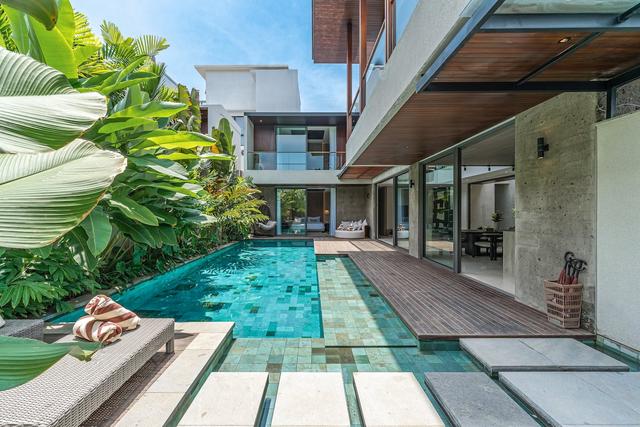
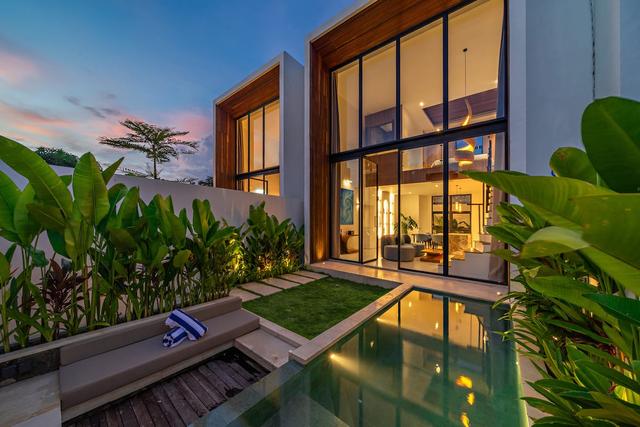
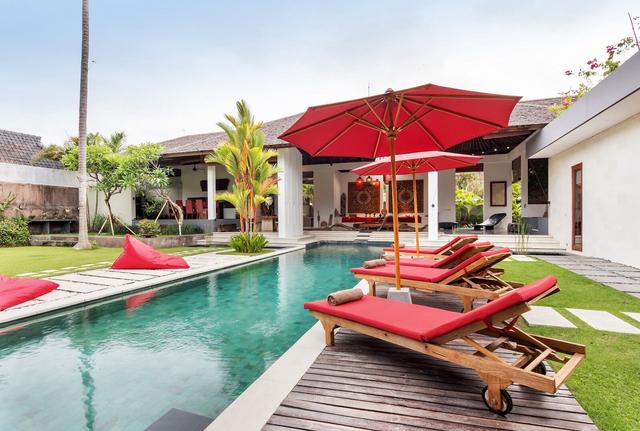
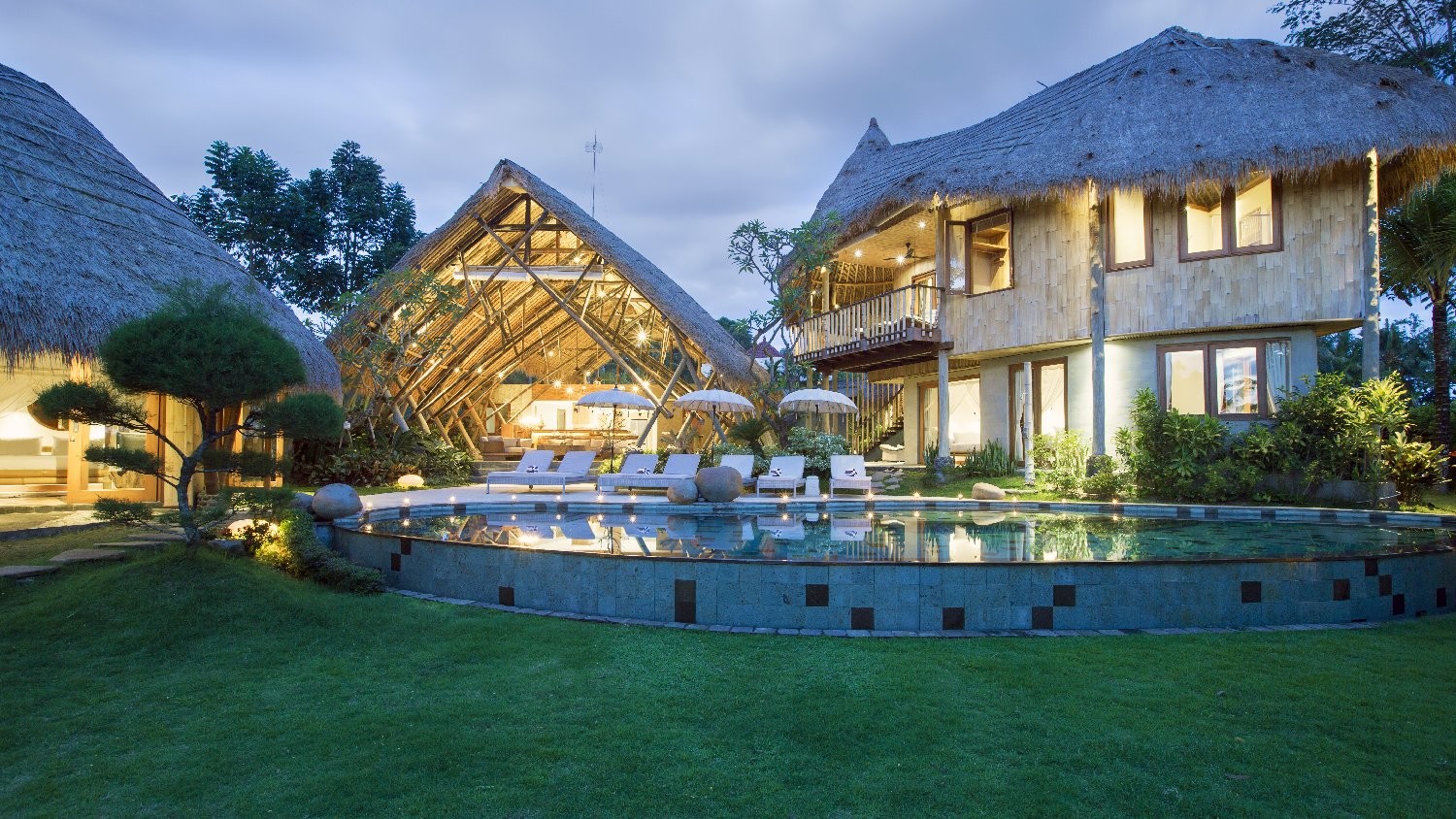
Ubud’s villas are unlike anything on the coast. Instead of ocean views, you get jungle canopies, rice terraces, and river valleys. Many come with a private chef, and the prices are significantly lower than Seminyak or Uluwatu. A few of our favourites:
- Jungle Oasis — A 12-bedroom estate surrounded by tropical forest. The ultimate Ubud group villa with space for up to 24 guests.
- Sweet Birds — A 6-bedroom villa with the kind of views that make you reach for your camera before your coffee.
- Villa Omah Padi — Five bedrooms overlooking the rice paddies. The name means “rice house” and the setting delivers on the promise.
- Angkasa Ubud — Five bedrooms with a name that means “sky” — and views to match.
- Villa Kiena — Six bedrooms and seven bathrooms at a price that makes coastal villas look overpriced.
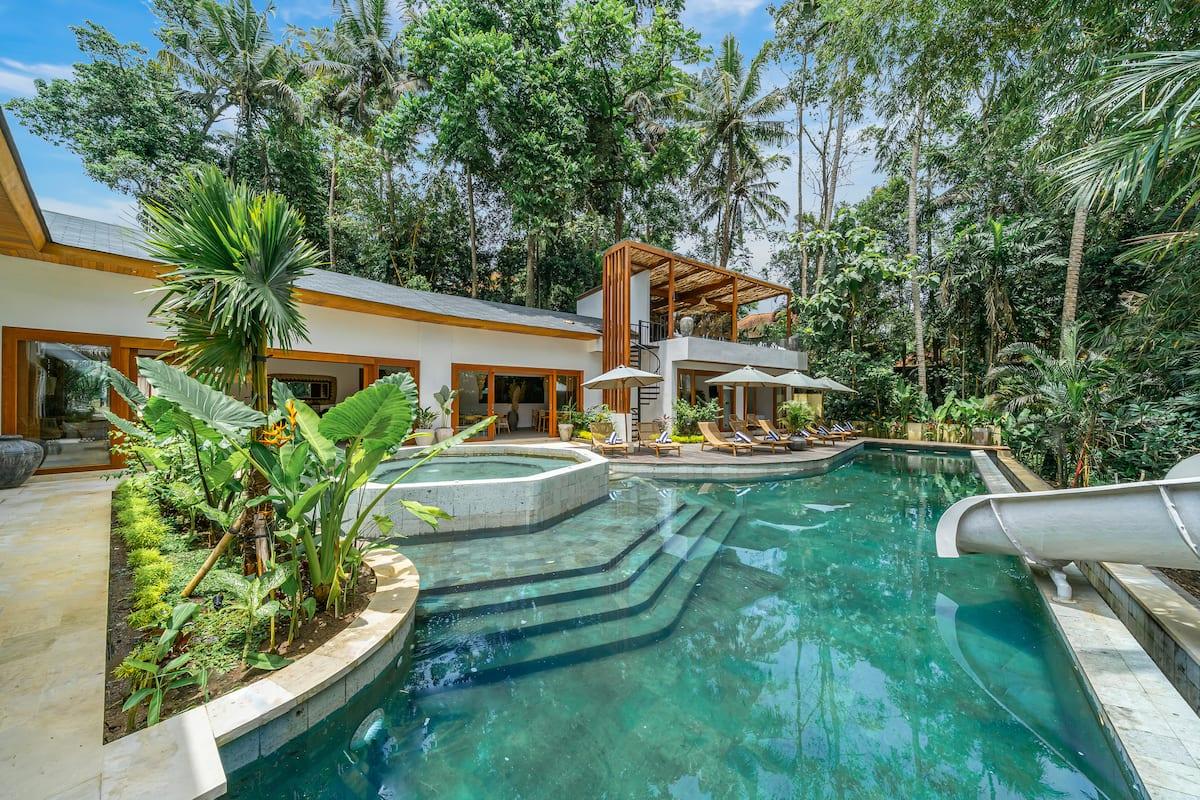
Jungle Oasis
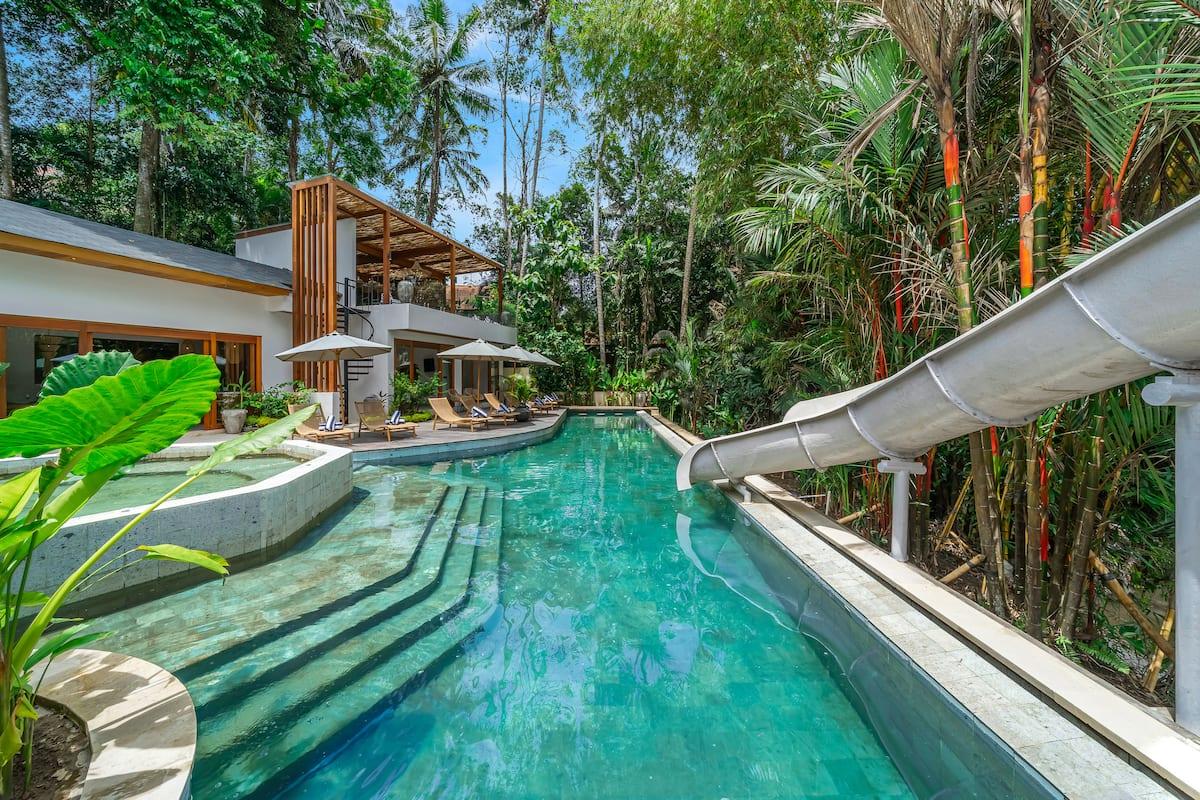
Sweet Birds
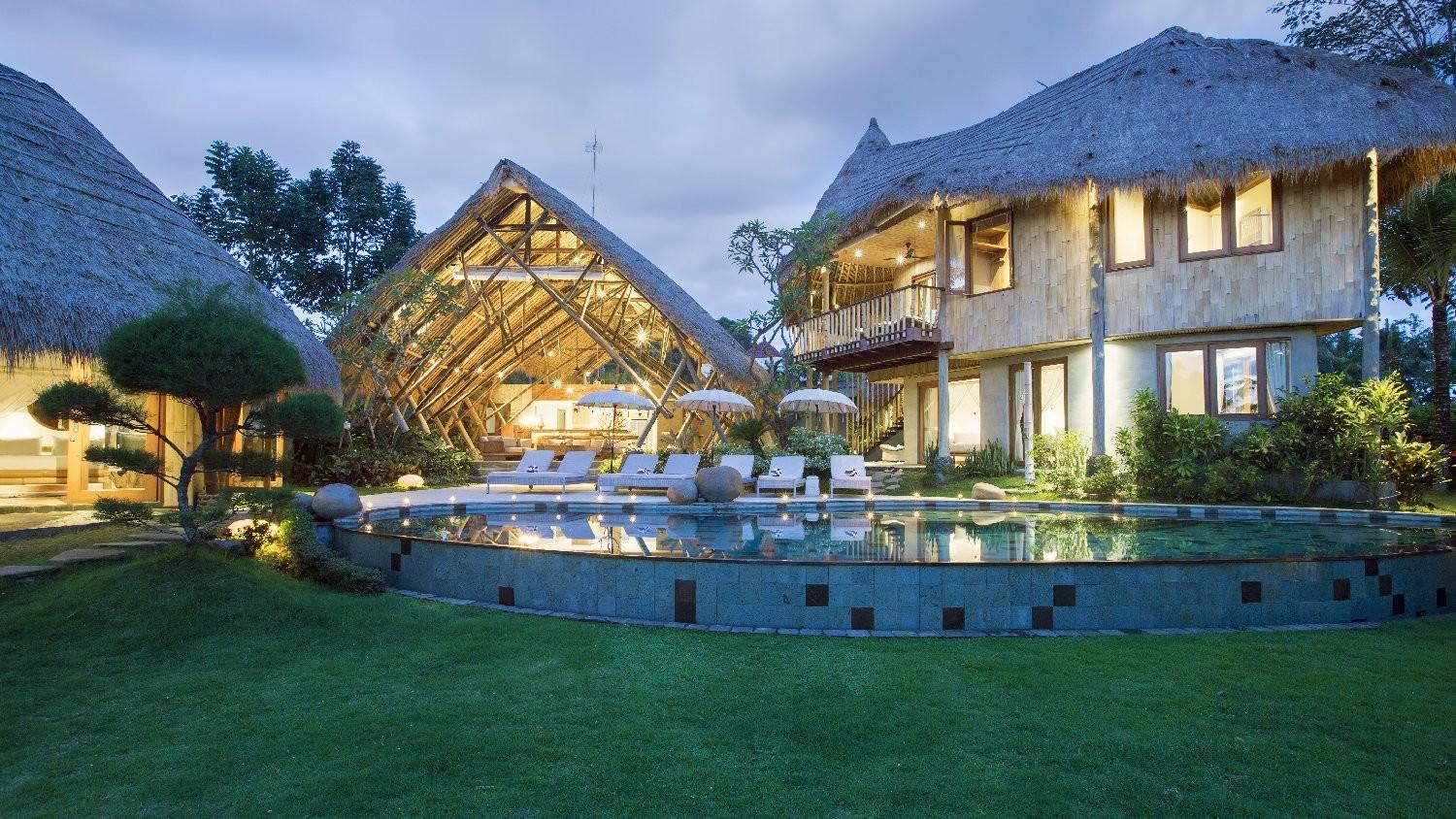
Villa Omah Padi
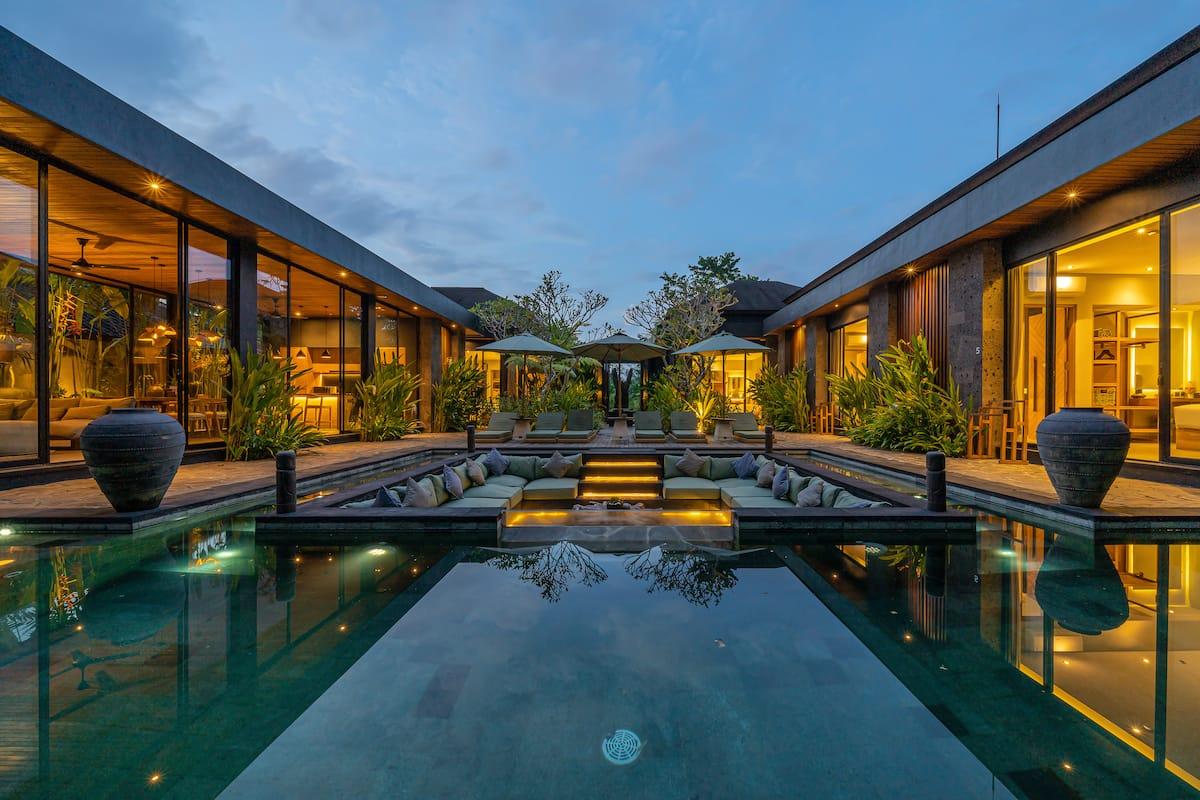
Angkasa Ubud
Browse our full collection of 38 Ubud villas or get in touch for a personalised recommendation.

Luxury Dream Escapes
Our villa specialists have lived in Southeast Asia for a combined 30+ years. We stay in every villa before adding it to our collection, so our recommendations come from genuine experience.