Luxury Villas in Sigiriya & Dambulla
The heart of Sri Lanka's Cultural Triangle, where the Lion Rock fortress rises above the forest and ancient cave temples, ruined cities and wild elephants lie close by.
Why Stay in Sigiriya & Dambulla?
Sigiriya and Dambulla lie on the dry central plains north of Kandy, in the region known as the Cultural Triangle. The landscape here is quite different from the hill country: flat forest and scrub, broad ancient reservoirs and paddy fields, broken by dramatic outcrops of rock. It is hot and sunny for much of the year, and the area has the greatest concentration of historic sites in the country.
Sigiriya, the Lion Rock, is the region’s most famous sight. In the fifth century King Kashyapa built a palace on the summit of this sheer rock, which rises around 200 metres above the surrounding forest, and the climb passes landscaped water gardens, painted frescoes and a pair of giant carved lion’s paws before reaching the ruins at the top. Nearby Pidurangala rock offers a rougher climb and a superb view of Sigiriya itself, especially at sunrise.
Dambulla, around half an hour away, is known for its cave temple complex, a UNESCO World Heritage Site where five caves are filled with Buddha statues and vividly painted ceilings dating back many centuries. The ancient city of Polonnaruwa, with its palaces, temples and great stone Buddhas, is usually around an hour’s drive, and Anuradhapura and the forest monastery at Ritigala are also within reach. In the dry months, Minneriya and Kaudulla national parks see some of the largest assemblies of wild Asian elephants anywhere, as herds come to graze around the reservoirs.
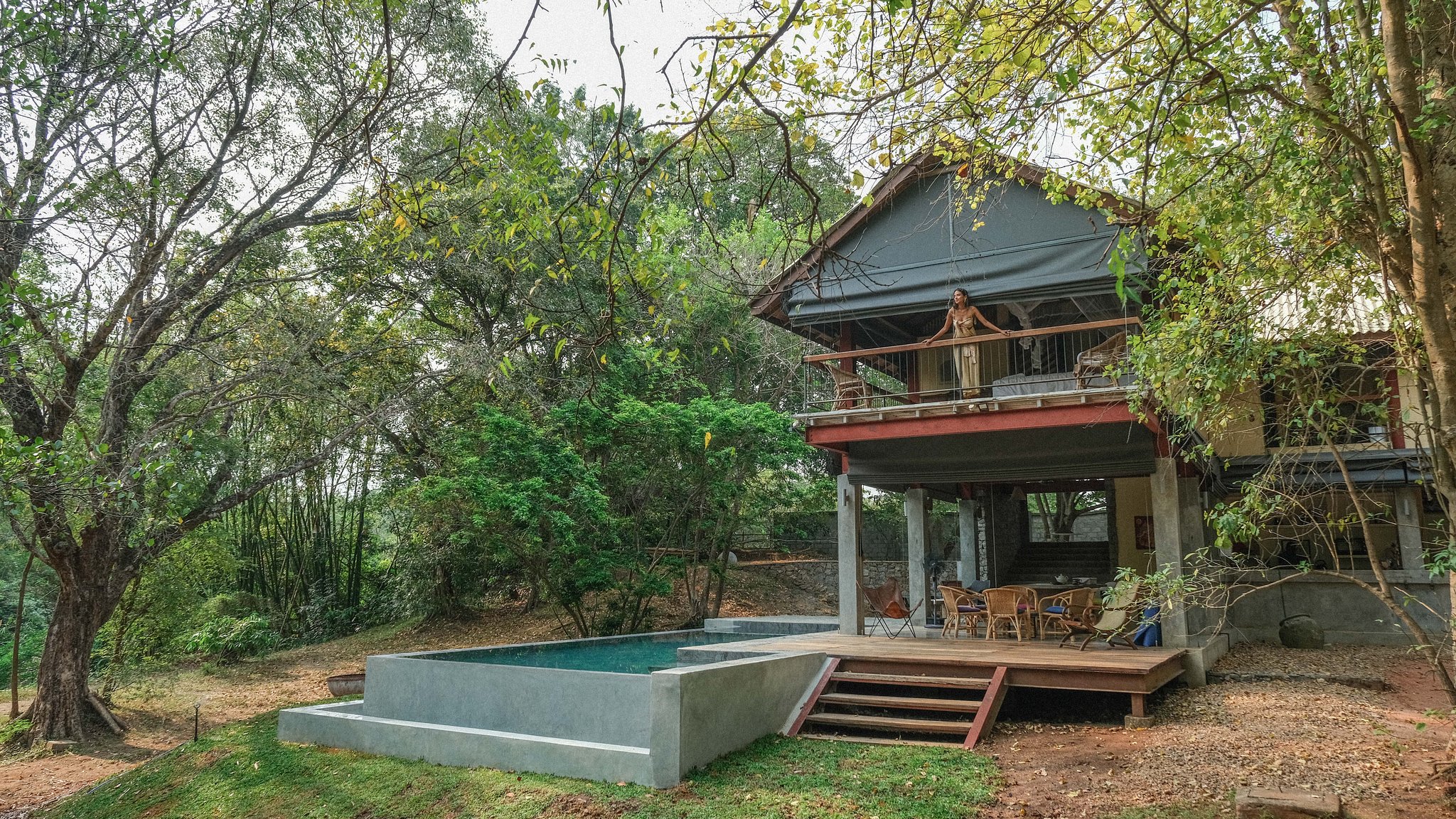
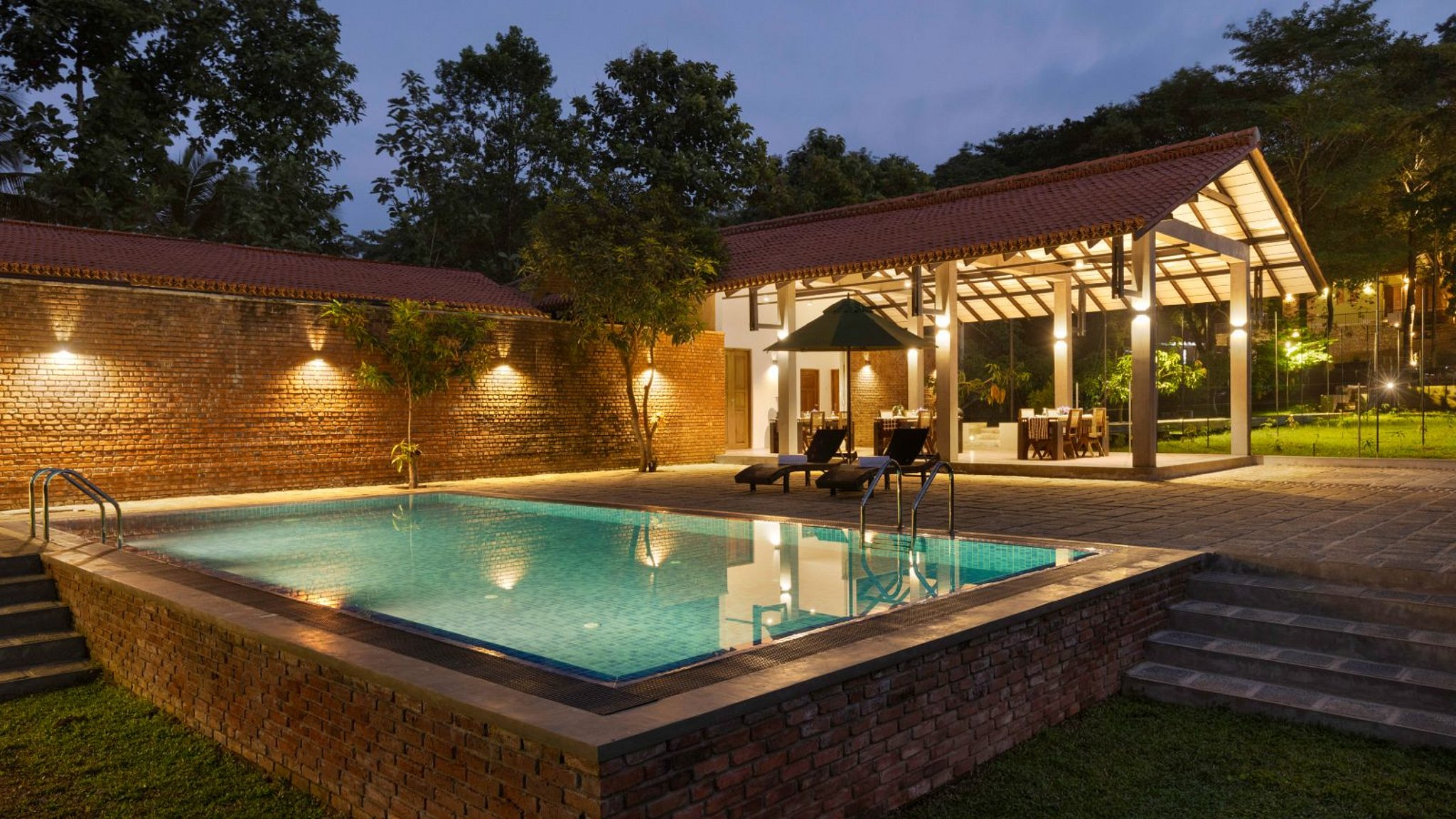
Villas around Sigiriya and Dambulla are often set in quiet countryside, looking over lakes, paddy fields or jungle towards the rock, and many have pools that are especially welcome in the heat. The area suits families, couples and groups who want history, wildlife and early-morning adventures, and it is a natural first or second stop on a journey around the island.
Planning Your Sigiriya & Dambulla Stay
Best Time to Visit
The region is generally driest from around February or March to September, which suits climbing Sigiriya and visiting the ancient cities. The north-east monsoon brings most of the rain from about October to January. Temperatures are high year-round, so early starts are best.
Getting There
Sigiriya is usually around four hours by road from Bandaranaike International Airport, and around two and a half hours from Kandy. Private transfers are the most comfortable option. Dambulla lies on the main road between Kandy and the north, around half an hour from Sigiriya.
Getting Around
A car with a driver is the best way to explore the Cultural Triangle, as the sites are spread out across the plains. Tuk-tuks are easy to find for short trips locally, and jeep safaris to Minneriya, Kaudulla and Eco Park leave from around Sigiriya and Habarana.
Where to Eat
Local restaurants around Sigiriya and Dambulla serve generous Sri Lankan rice and curry, often cooked over wood fires in clay pots, along with fresh fruit and lake fish. Choice is more limited than in the cities, so many guests eat at their villa, where a cook can prepare traditional village-style dishes.
Sigiriya & Dambulla Villas
2 handpicked luxury villas available
Frequently Asked Questions
The climb involves around 1,200 steps, some on steep metal stairways attached to the rock face, and usually takes around one to two hours up and down at a steady pace. It is manageable for most reasonably fit people, including older children. Start early in the morning to avoid the heat and the busiest times.
The largest numbers of elephants usually congregate around the Minneriya and Kaudulla reservoirs in the dry season, roughly from July to October, with the peak often in August and September. Elephants can be seen in the area at other times of year too, and local guides choose the park with the best recent sightings.
Sigiriya is usually around four hours by road from Bandaranaike International Airport. Kandy is around two and a half hours to the south, and Dambulla around half an hour from Sigiriya.
The Cultural Triangle is usually driest from around February or March to September. The north-east monsoon brings most of the region's rain from around October to January. It is hot all year, so sightseeing is best done early in the morning and late in the afternoon.
Shoulders and knees should be covered, and shoes are removed at the entrance to the caves. The stone path up to the temples can be hot underfoot by midday, so socks are useful. It is respectful not to pose for photographs with your back to Buddha images.
Can't Decide? Let Us Help
Tell us your dates and preferences — our specialists will shortlist the perfect villas for you within 24 hours.
Get Recommendations